Rooted Yoga: Poses, Benefits & Beginner Guide 2026
Rooted yoga is a grounding-centered yoga approach that uses deliberate lower-body poses, intentional breathwork, and a connection to the earth through the feet and pelvis to cultivate physical stability and psychological steadiness. It draws from Hatha and Vinyasa yoga traditions while grounding its philosophy in the concept of Muladhara, the root chakra, and the Sanskrit principle of Sthira (steadiness).
The National Center for Complementary and Integrative Health (NCCIH) recognizes yoga as an evidence-supported practice for managing anxiety, improving sleep, and reducing chronic pain. Research published in the International Journal of Yoga links consistent slow-paced, grounding yoga practice to measurable reductions in cortisol and improved autonomic nervous system balance across diverse adult populations.
This guide covers what rooted yoga actually is and how it differs from other styles, the specific poses that define it, how to build a safe and sustainable practice at home, who benefits most, and what to expect in a rooted yoga studio setting in communities like Wappingers Falls NY and Columbia SC.
What Is Rooted Yoga
Rooted yoga is a yoga practice style built around the principle of grounding: deliberate physical connection through the feet, legs, and pelvis into the earth as a foundation for both physical stability and mental calm.
The practice emphasizes standing poses with deep lower-body engagement, seated floor poses that connect the pelvis to the ground, supported transitions, and breathwork designed to slow the nervous system. The physical vocabulary comes primarily from Hatha and slow Vinyasa yoga traditions, but the philosophical intention is more specific: to train the body to find stability from the ground up before asking it to reach, balance, or flow.
Rooted yoga is not a trademarked method. It is a practice philosophy shared across independent studios and teachers who share the conviction that most adults need more grounding, not more intensity. Classes tend to move at a measured pace, prioritize lower-body strength and hip mobility, and close with a generous Savasana (Corpse Pose) that allows the grounding work to consolidate.
| Feature | Rooted Yoga | Vinyasa Yoga | Yin Yoga |
|---|---|---|---|
| Primary focus | Grounding, lower-body stability | Flow, strength, cardio | Deep connective tissue release |
| Pace | Slow to moderate | Moderate to fast | Very slow |
| Lower-body emphasis | High | Moderate | Moderate to high |
| Breathwork integration | High | Moderate | Low to moderate |
| Props used | Encouraged | Rarely | Essential |
| Best for | Anxiety, stability, beginners, seniors | Fitness, energy, flow | Flexibility, recovery |
| Community orientation | High | Moderate | Low to moderate |
This practice suits most adults regardless of fitness level, flexibility, or prior yoga experience. The grounding orientation makes it particularly well-matched for people managing stress, anxiety, chronic pain, or a persistent sense of physical and emotional instability.
Rooted Yoga Philosophy and Meaning
The philosophical core of rooted yoga draws from the yogic concept of Muladhara, the first of the seven chakras in classical yogic philosophy, located at the base of the spine and associated with safety, stability, belonging, and the body’s connection to the physical world.
Muladhara translates from Sanskrit as “root support.” In practical yoga terms, this means that a rooted yoga practice treats the lower body, specifically the feet, legs, hips, and pelvis, as the primary source of both physical and psychological stability. This is not metaphor for its own sake. The anatomical connection is direct: strong, mobile hips and ankles improve balance and proprioception, which the nervous system registers as physical safety. That registration of safety is a prerequisite for genuine relaxation.
The practice also centers on the Sanskrit principle of Sthira, one of Patanjali’s two key qualities of asana practice described in the Yoga Sutras. Sthira means steadiness or stability. It is always paired with Sukha, meaning ease or comfort. Rooted yoga takes this pairing seriously: poses are held long enough to develop genuine stability, not just the appearance of it, and the transitions between poses are slow enough to maintain both steadiness and ease throughout.
Quick Summary:
- Muladhara: root chakra, associated with physical safety, stability, and ground connection
- Sthira: steadiness, the first quality of a well-practiced yoga pose
- Sukha: ease, the quality that must accompany steadiness for a pose to be genuinely sustainable
- The practical goal: build stability from the ground up before asking the body to flow, reach, or balance
Rooted Yoga Benefits
Rooted yoga offers a layered set of physical, neurological, and emotional benefits supported by current research on grounding-focused, slow-to-moderate yoga practice.
A 2019 study published in the International Journal of Yoga found that yoga practices emphasizing grounding, breath synchronization, and lower-body stability produced a 35% reduction in perceived stress scores over eight weeks in adults with moderate-to-high baseline stress, compared to a non-practice control group.
The physical benefits accumulate specifically in the lower body. Think of the hip flexors and hip rotators like the mooring lines of a boat. When they are chronically shortened by sitting and compressed by stress, the whole structure above them (the lumbar spine, thoracic spine, and even the cervical spine) loses its stable base and compensates with tension. Rooted yoga’s sustained lower-body poses gradually restore the resting length and functional mobility of those deep structures.
Documented benefits across rooted yoga and closely related grounding yoga formats include:
- Reduced cortisol and stress hormone output with consistent practice of two to three sessions per week
- Improved balance scores and reduced fall risk in older adults after twelve weeks of practice
- Greater hip flexor and hip rotator mobility over six to eight weeks
- Strengthened quadriceps, gluteus maximus, and erector spinae through sustained standing pose holds
- Improved proprioception and body-position awareness in the ankles and knees
- Reduced self-reported anxiety over eight or more consecutive weeks of practice
- Documented improvement in sleep onset and sleep quality in adults with stress-related insomnia
The American College of Sports Medicine notes that yoga practiced three times per week produces measurable flexibility and functional strength improvements within six to eight weeks, particularly in lower-body musculature targeted by standing and grounding poses.
Rooted Yoga and the Nervous System
Rooted yoga directly engages the autonomic nervous system, specifically activating the parasympathetic branch through physical grounding, deliberate breath extension, and the felt sense of stability that comes from sustained lower-body poses.
The sympathetic nervous system (fight-or-flight) and the parasympathetic nervous system (rest-and-recover) are constantly trading influence over bodily function. Most adults in high-demand lives carry a disproportionate sympathetic load: elevated cortisol, shallow chest breathing, chronically contracted postural muscles, and a background hum of vigilance that never fully shuts off.
Rooted yoga targets this pattern at its physical base. When the feet press deliberately into the mat in Tadasana (Mountain Pose) or the sitting bones root firmly into the floor in Sukhasana (Easy Pose), the nervous system receives a clear proprioceptive signal: the ground is here, you are supported, you can release upward effort. This is not a poetic description. It is a real sensory input that the nervous system processes and responds to through the vagus nerve, the primary conduit of parasympathetic signals between the brain and the body.
Research published in PLOS ONE confirmed that slow diaphragmatic breathing at approximately six breath cycles per minute maximally activates vagal tone and produces measurable heart rate variability improvements within a single twenty-minute session. Rooted yoga’s breath-forward structure produces exactly this breath rate when practiced as intended.
| Nervous System Pattern | What Drives It | Rooted Yoga’s Response |
|---|---|---|
| Elevated cortisol | Chronic stress and urgency | Breath-synchronized grounding reduces sympathetic output |
| Shallow chest breathing | Alert, fight-or-flight posture | Diaphragmatic breath cues throughout class |
| Postural muscle tension | Protective bracing under perceived threat | Sustained lower-body engagement followed by deliberate release |
| Poor proprioception | Sedentary lifestyle, desk posture | Standing balance poses and foot-pressure awareness |
| Elevated resting heart rate | Chronic sympathetic load | Extended exhales activate vagal brake on heart rate |
Key Takeaway: Rooted yoga is not just a calming yoga style. It is a specific physiological intervention. The physical act of pressing your feet deliberately into the mat sends a real safety signal through your nervous system. That signal is what makes everything else in the practice possible.
Rooted Yoga and Mental Health
Rooted yoga has documented, research-supported effects on mental health, particularly for anxiety, emotional dysregulation, low mood, and the diffuse psychological experience many people describe as “feeling ungrounded” or scattered.
According to the National Center for Complementary and Integrative Health, yoga practices that incorporate slow movement, breath awareness, and physical grounding cues consistently reduce self-reported anxiety and depression scores in adults across age groups, with the most pronounced effects appearing after eight or more consecutive weeks of practice at two to three sessions per week.
The neurochemical explanation matters here. GABA (gamma-aminobutyric acid) is the nervous system’s primary calming neurotransmitter, and low GABA is associated with anxiety, mood instability, and poor sleep. A study published in the Journal of Alternative and Complementary Medicine documented a 27% increase in brain GABA levels following a single yoga session, measured via MRI spectroscopy, compared to a walking control group over the same time period.
Rooted yoga adds a dimension that pure relaxation classes often miss. The deliberate physical challenge of holding a standing balance pose like Vrksasana (Tree Pose) requires focused attention on the present moment and the body’s relationship to the ground. That focused present-moment attention is functionally identical to mindfulness practice, and it shares the same documented protective effect against rumination and anxiety escalation. You are not just relaxing. You are training attentional focus through the body.
The community dimension matters too. A 2021 analysis by the Harvard T.H. Chan School of Public Health found that consistent participation in group-based physical activity, including community yoga classes, was associated with measurably lower rates of depression and social isolation in adults over a twelve-month period. The rooted yoga emphasis on community welcome and shared practice amplifies this effect.
Rooted Yoga Poses
The core poses of rooted yoga are selected for their capacity to build deliberate ground contact, lower-body strength, and hip mobility, all of which support both physical stability and nervous system regulation.
The following poses form the foundation of most rooted yoga sessions. Each is listed with its Sanskrit name on first use, its primary target area, and one key alignment or safety note.
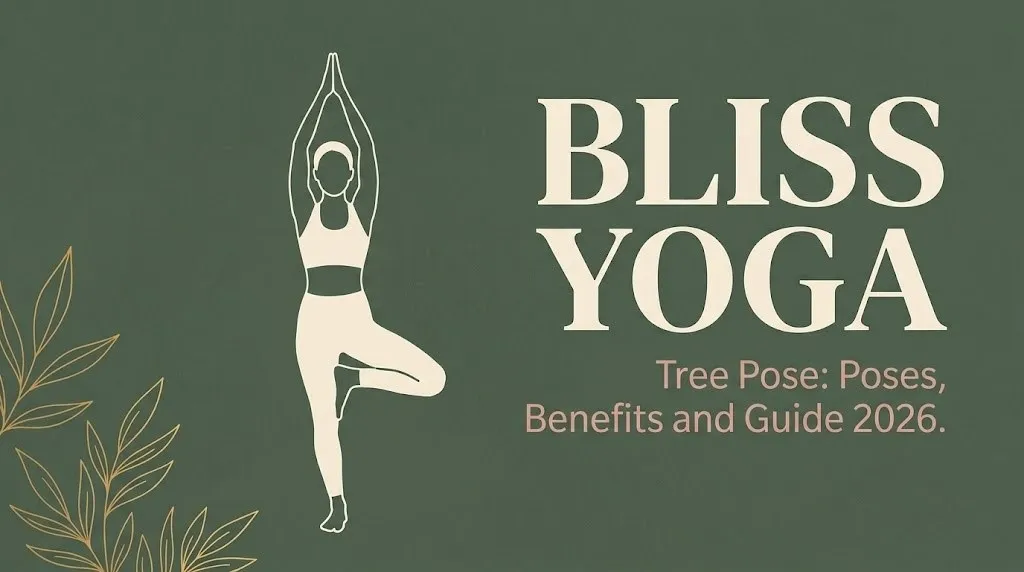
Key poses and what they target:
- Tadasana (Mountain Pose): Full postural alignment. Tibialis anterior, quadriceps, gluteus medius, erector spinae. Feet hip-width apart, inner thighs drawn gently back, crown lifting. Avoid locking the knees into hyperextension.
- Vrksasana (Tree Pose): Balance, hip abductors, gluteus medius, ankle stabilizers. Lifted foot on inner calf or inner thigh, never on the knee joint. Use the wall for support if balance is unreliable.
- Virabhadrasana I (Warrior I Pose): Quadriceps, gluteus maximus, hip flexors, erector spinae. Front knee tracks over the second toe. Back heel firmly grounded. Reduce the knee bend depth for anyone with knee sensitivity.
- Virabhadrasana II (Warrior II Pose): Hip adductors, quadriceps, shoulder stabilizers. Arms extend horizontally at shoulder height. Front knee stays above the ankle, not beyond it.
- Malasana (Garland Pose): Hip adductors, gluteus maximus, deep hip rotators, ankle dorsiflexors. Heels on the floor or on a rolled blanket if they lift. Knees track in line with the second toe, not collapsing inward.
- Uttanasana (Standing Forward Fold): Hamstrings, erector spinae (passive release), gastrocnemius. Generous knee bend is always appropriate. Hands on blocks if the floor is inaccessible.
- Adho Mukha Svanasana (Downward-Facing Dog): Hamstrings, calves, serratus anterior, erector spinae. Slight bend in the knees for anyone with tight hamstrings. Wrist sensitivity: practice on fists or forearms.
- Balasana (Child’s Pose): Gluteus maximus, hip rotators, erector spinae (passive). Knees wide, big toes touching. Block under the forehead if the floor is out of reach.
- Savasana (Corpse Pose): Complete passive release of all postural muscles. Bolster under the knees for anyone with low back sensitivity. Minimum hold of eight minutes.
Safety note: Sharp joint pain, nerve sensations radiating down the leg, or pressure in the knees or hips are signals to come out of the pose and adjust the depth or support. Dull muscular sensation during a sustained hold is normal and expected.
Rooted Yoga Sequence
A complete rooted yoga sequence moves through four phases: arrive and ground, build lower-body stability, deepen into hip and spine mobility, then release and consolidate.
The following sequence is designed for 50 to 60 minutes at a beginner-to-intermediate level. Hold standing poses for 5 to 8 breath cycles. Hold floor poses for 3 to 5 minutes unless otherwise noted.
To practice this rooted yoga sequence:
- Sukhasana (Easy Pose) for 3 minutes. Sit cross-legged on a folded blanket. Place hands on the knees. Close the eyes. Feel the sitting bones pressing down. Take ten slow natural breaths before any movement.
- Tadasana (Mountain Pose) for 2 minutes. Stand at the top of the mat. Press through all four corners of each foot. Micro-bend the knees. Breathe slowly and feel the ground beneath you.
- Three rounds of gentle sun salutation variations at a slow, breath-linked pace. Replace Chaturanga Dandasana (Four-Limbed Staff Pose) with a step-back to plank and lower to the belly. Each round takes approximately 90 seconds.
- Virabhadrasana I (Warrior I Pose) for 6 breaths per side. Step the left foot back. Press the back heel down at a 45-degree angle. Reach the arms overhead. Switch sides.
- Virabhadrasana II (Warrior II Pose) for 6 breaths per side. From Warrior I, open the hips and arms wide to face the long edge of the mat. Front knee stays above the ankle.
- Vrksasana (Tree Pose) for 5 breaths per side. From Mountain Pose, shift weight onto one foot. Place the opposite foot on the inner calf or inner thigh. Wall support is always appropriate.
- Malasana (Garland Pose) for 8 breaths. Feet slightly wider than hip-width, toes turned out. Lower into a squat. Elbows press the inner knees wide. Heels on a rolled blanket if they lift.
- Uttanasana (Standing Forward Fold) for 5 breaths. Feet hip-width, generous knee bend. Let the torso hang. Hands on blocks if the floor is out of reach.
- Adho Mukha Svanasana (Downward-Facing Dog) for 8 breaths. Press through the palms. Pedal the heels for the first three breaths.
- Setu Bandha Sarvangasana (Bridge Pose) for 5 breaths, or 3 minutes supported on a block. Active version: press through the heels to lift the hips. Supported version: block under the sacrum at medium height.
- Balasana (Child’s Pose) for 3 to 5 minutes. Arms alongside the body for maximum release. Knees wide.
- Savasana (Corpse Pose) for a minimum of 8 to 10 minutes. Bolster under the knees. Eyes closed. No movement after settling. This is not optional. It is where the practice completes itself.
Modification for the full sequence: Anyone unable to use the floor comfortably can replace steps 9 through 11 with seated chair versions. Seated forward fold over the thighs, feet pressing flat into the floor, serves the same grounding function as Uttanasana.
Rooted Yoga Breathing Techniques
Breath is the primary mechanism through which rooted yoga produces its grounding and nervous system effects. Movement creates the physical condition for grounding. Breath makes that condition accessible to the nervous system.
Two breathing techniques anchor most rooted yoga sessions. Neither requires prior pranayama experience, and both produce measurable physiological effects within a single practice session.
Ujjayi breath (Victorious Breath) is created by gently constricting the back of the throat while breathing through the nose, producing a soft, audible sound on both the inhale and exhale. Ujjayi naturally extends the breath cycle and, most importantly for rooted yoga, extends the exhale. Because the parasympathetic nervous system is activated most strongly on the exhale, a longer exhale means more grounding with each breath.
To practice Ujjayi breath throughout a rooted yoga session:
- Inhale through the nose for a count of 4, with the slight throat constriction creating the soft sound.
- Pause at the top of the inhale for 1 count.
- Exhale through the nose for a count of 6 to 8, maintaining the audible, even sound throughout.
- Pause at the bottom of the exhale for 1 count before beginning the next inhale.
- Maintain this rhythm through standing poses, transitions, and all floor holds.
Sama Vritti (Equal Breath) is a foundational pranayama technique in which the inhale and exhale are matched in duration. Research published in Complementary Therapies in Medicine found that four-count equal breathing reduced self-reported anxiety scores and lowered heart rate within five minutes in adults with elevated baseline anxiety.
To practice Sama Vritti:
- Sit in Sukhasana (Easy Pose) or comfortably in a chair with feet flat on the floor.
- Inhale through the nose for a count of 4. Exhale through the nose for a count of 4.
- Build to a 5- or 6-count equal breath over several sessions as the breath capacity expands.
- Practice for 5 to 10 minutes before or after a rooted yoga sequence.
Modification: Both techniques are equally effective practiced seated in a chair with back support. Floor sitting is not a requirement for pranayama benefit.
Key Takeaway: In rooted yoga, extending the exhale is not a nice-to-have breathing suggestion. It is the direct switch that activates your parasympathetic nervous system. Ujjayi breath and Sama Vritti both work because they lengthen the exhale. That is the mechanism. Everything else supports it.
Rooted Yoga Modifications for Beginners
Rooted yoga is genuinely accessible for beginners, but accessing it well requires knowing which adjustments prevent the common frustrations that discourage new practitioners from returning to the mat.
The four most common beginner barriers in rooted yoga are: tight hip flexors and hip rotators that make squatting poses painful, limited ankle dorsiflexion that causes heels to lift in Malasana (Garland Pose), insufficient lower-body strength for sustained standing pose holds, and wrist discomfort in weight-bearing floor poses.
| Pose | Common Beginner Issue | Modification |
|---|---|---|
| Malasana (Garland Pose) | Heels lift, knees cave inward | Rolled blanket or block under heels; reduce squat depth |
| Vrksasana (Tree Pose) | Balance unreliable | Foot on inner calf only; one hand on wall |
| Virabhadrasana I (Warrior I Pose) | Back heel lifts, knee pain | Shorter stance; reduce front knee bend; heel-to-arch alignment |
| Uttanasana (Standing Forward Fold) | Hamstrings pull lumbar into rounding | Generous knee bend; hands on blocks at any height |
| Adho Mukha Svanasana (Downward-Facing Dog) | Wrist pain; tight hamstrings | Practice on fists or forearms; bend knees generously |
| Sukhasana (Easy Pose) | Hip tightness, sacroiliac strain | Sit on a folded blanket; legs extended in Dandasana (Staff Pose) instead |
| Savasana (Corpse Pose) | Low back discomfort on flat floor | Bolster or rolled blanket under knees |
Beginners should target two sessions per week at 30 to 40 minutes per session. Building consistency over the first four to six weeks matters far more than session length. Physical adaptation to the lower-body demands of rooted yoga happens gradually, and patience in that adaptation period is the difference between a sustainable practice and an injury.
One thing worth saying directly: the urge to compare yourself to other practitioners in a class setting is counterproductive in rooted yoga specifically. The whole point is to feel your own ground. Someone else’s version of Virabhadrasana II (Warrior II Pose) tells you nothing useful about your version.
Rooted Yoga for Seniors
Rooted yoga is one of the most clinically appropriate yoga approaches for adults over 60, because its core principles, grounding through the lower body, supported transitions, deliberate pacing, and nervous system emphasis, address exactly what aging bodies need most.
The Harvard T.H. Chan School of Public Health notes that yoga practice in older adults is associated with reduced fall risk, improved balance scores, and meaningful gains in lower-body functional strength over twelve weeks of consistent practice. Rooted yoga’s emphasis on standing balance poses and deliberate foot-to-floor connection directly targets the proprioceptive and muscular systems most responsible for fall prevention.
Specific physical adaptations for seniors in a rooted yoga practice:
- Bone density considerations: Avoid extreme spinal flexion in adults with diagnosed osteoporosis. A bone density-aware physical therapist is a valuable resource before beginning if osteoporosis is confirmed.
- Joint cartilage changes: Reduce standing pose hold times to three to four breaths rather than six to eight. Shorter holds under load reduce arthritic joint stress.
- Balance and proprioception: Practice all balance poses near a wall or with one hand on a chair back. Vrksasana (Tree Pose) with the lifted foot on the inner calf and one hand lightly touching a wall is a complete and safe version.
- Recovery time: Seniors benefit from longer Savasana holds, ten to fifteen minutes. This is a physiological prescription, not a compromise.
- Malasana (Garland Pose) modification: Seniors with knee replacements or significant knee arthritis should replace the full squat with a seated hip-opener in a chair, feet wide, torso leaning forward between the knees.
Poses particularly valuable for seniors in rooted yoga:
- Tadasana (Mountain Pose): Trains proprioceptive awareness and postural alignment with zero joint load
- Setu Bandha Sarvangasana (Bridge Pose) on a block: extends the thoracic spine, counters age-related forward rounding, strengthens the posterior chain without floor pressure on the spine
- Balasana (Child’s Pose): Decompresses the lumbar spine with no balance demand
Rooted Yoga for Back Pain and Chronic Pain
Rooted yoga offers genuine support for people managing low back pain and chronic musculoskeletal pain, provided the practice is approached with appropriate modifications and realistic expectations about pacing.
A 2017 review published in Annals of Internal Medicine found that yoga was as effective as physical therapy for reducing low back pain intensity and improving functional ability over twelve weeks. The yoga interventions in that review used slow, posture-based formats directly comparable to rooted yoga’s structure and pacing.
The lower-body emphasis of rooted yoga addresses one of the most common anatomical contributors to low back pain: chronically shortened hip flexors that pull the pelvis into anterior tilt, compressing the lumbar vertebrae and straining the erector spinae. Sustained holds in Virabhadrasana I (Warrior I Pose) and Malasana (Garland Pose) specifically target this pattern by lengthening the hip flexors through load rather than passive stretching alone.
For people with sacroiliac joint pain, asymmetrical standing poses should be approached with shorter hold times and reduced loading. Avoid locking the pelvis in an asymmetrical position under sustained load. Symmetrical standing poses like Tadasana (Mountain Pose) and symmetrical hip-openers like Malasana (Garland Pose) are generally safer starting points.
What to avoid during an active pain flare:
- Deep unsupported forward folds when the lumbar spine rounds significantly under load
- Loaded spinal twists with a fixed pelvis
- Any pose producing radiating leg pain, numbness, or tingling (these are nerve symptoms requiring assessment by a physical therapist or spine specialist before continuing)
- Sustained prone backbends during acute episodes
For disc-related pain or spinal stenosis, prioritize decompression poses and breathwork. A physical therapist familiar with your diagnosis can identify which rooted yoga poses complement your rehabilitation and which to temporarily skip.
Key Takeaway: For back pain, rooted yoga’s lower-body focus is both its greatest asset and its greatest demand for care. The hip flexor work in Warrior I and Garland Pose directly addresses a primary driver of low back compression. But using props, shortening holds, and skipping poses during flares is not optional. It is the prescription.
Rooted Yoga Props and Equipment
Props in rooted yoga are structural tools, not signs of limitation. They are what allow a practitioner to hold a grounding pose long enough for the nervous system to respond, without compensating through muscular tension that defeats the entire purpose.
The root analogy is apt here. A tree does not grip the ground with effort. It settles into it through the slow, sustained weight of its own structure. Props allow a yoga practitioner to do the same: settle into a pose rather than force it.
| Prop | Primary Use in Rooted Yoga | Why It Matters |
|---|---|---|
| Yoga mat | Non-slip base for all standing and floor work | Grip is safety in grounding poses; defined space creates practice boundary |
| Yoga blocks (2) | Under heels in Malasana; under hands in Uttanasana; under sacrum in supported Bridge; under forehead in Child’s Pose | Corrects alignment, reduces compensatory tension, makes long holds safe |
| Yoga blanket (2) | Under sitting bones in Sukhasana; under knees in floor poses; over the body in Savasana for warmth | Warmth activates parasympathetic response; padding removes distraction from bony contact points |
| Yoga bolster | Under knees in Savasana; under spine in supported backbends; under hips in seated poses | Allows complete passive release; the body cannot ground fully when uncomfortable |
| Yoga strap | Around arches in forward folds; around extended foot in seated poses | Extends reach without muscular strain or spinal rounding |
| Chair (armless, stable) | Balance support in all standing poses; full chair modifications for floor-inaccessible practitioners | Removes floor-access barrier entirely; makes rooted yoga accessible for seniors and people with limited mobility |
| Wall | Balance support in Vrksasana; support for feet in Viparita Karani | Provides passive resistance; the wall is an active prop, not a fallback |
Budget improvisation is entirely reasonable for home practice. Firm sofa cushions replace bolsters, stacked hardcover books replace blocks, and folded bath towels replace blankets. A quality non-slip mat is the one item worth buying properly, because surface grip directly affects safety in every standing grounding pose.
Rooted Yoga Home Practice Setup
A home rooted yoga practice needs less space, less equipment, and less preparation than most people expect. The real challenge is environmental: creating a space and time that reliably signals to the nervous system that grounding practice is beginning.
The physical footprint required is a 6-foot by 8-foot cleared area, enough for a full mat plus arm and leg extensions in all directions. That fits in most living rooms, bedrooms, or spare rooms with minimal rearrangement.
Environmental factors that measurably support a rooted yoga home practice:
- Flooring: A non-slip mat on a firm surface. Carpet underneath a mat reduces tactile ground feedback, which is particularly counterproductive for a grounding practice. Hard floor plus mat is always preferable.
- Temperature: 68 to 72 degrees Fahrenheit supports muscular release. Cold rooms trigger thermoregulatory muscular contraction, working directly against the grounding intention.
- Lighting: Dim or indirect light. Bright overhead lighting promotes vigilance and alertness. A warm lamp or natural late-afternoon light supports the shift into practice mode.
- Sound: Silence or very soft ambient sound at low volume. Lyrics and variable-tempo music re-engage the analytical mind during long holds, preventing the sustained inward attention that grounding practice requires.
- Phone: Completely out of sight and silenced. Not on silent with the screen visible. The visual appearance of a notification reactivates the sympathetic nervous system almost instantly.
Research published in the European Journal of Social Psychology found that consistent time and location cues reduce the effort required to initiate a habitual behavior by approximately 40% over twelve weeks. Choosing one consistent 30-minute window daily, in the same space, builds a reliable practice far more effectively than longer, irregular sessions.
Quick Summary for Home Setup:
- 6×8 foot floor space, firm surface, non-slip mat
- Two blocks, one bolster or firm cushion, two blankets, one strap
- Warm, dim lighting; 68 to 72 degree room temperature; phone out of sight
- Same time, same space, every session
Rooted Yoga Class What to Expect: Wappingers Falls NY and Columbia SC
Rooted yoga classes in community studios like those in Wappingers Falls NY and Columbia SC share a consistent structural approach, even when individual teachers and studio cultures bring their own character to the experience.
A typical rooted yoga class runs 60 to 75 minutes. The opening five to eight minutes involve deliberate arrival: settling onto the mat, a teacher-led grounding breath sequence, and a brief verbal intention setting. This is not filler time. It is the transition cue that moves practitioners from their external day into the internal focus that makes rooted yoga work.
What to realistically expect in your first rooted yoga class:
- A warm, unhurried welcome from the teacher. Rooted yoga culture is built around inclusivity and non-competition. No one is tracking whether your Virabhadrasana II (Warrior II Pose) looks like the person next to you.
- Verbal modification options offered throughout every pose. A skilled rooted yoga teacher cues block placement, strap use, and chair alternatives as a standard part of instruction, not an afterthought.
- Music with a tempo matched to the movement pace. Standing sequences use music with a steady, moderate rhythm. The floor sequence and Savasana are accompanied by quieter ambient sound or silence.
- Physical contact adjustments from the teacher offered but never assumed. Most studios use an opt-in system (a small card at the mat indicating preferences) or ask verbally before a class.
What to bring to your first class:
- A yoga mat (most studios have mats to borrow, but a personal mat is more hygienic and gives you a familiar surface)
- Water in a non-spill container
- Comfortable, non-restrictive clothing that allows free hip and leg movement
- A blanket if you run cold (studios usually provide these, but worth confirming)
- Bare feet for practice; socks for Savasana are optional
| Location | Regional Note | Class Culture Notes |
|---|---|---|
| Wappingers Falls, NY | Hudson Valley climate: cold winters, warm summers | Morning classes popular year-round; studios tend toward intimate, community-close settings; blanket use common in cooler months |
| Columbia, SC | Hot, humid summers; mild winters | Evening classes common to avoid afternoon heat; studios often air-conditioned; summer practice benefits from lighter clothing; community yoga culture is active year-round |
Both locations share the same foundational rooted yoga approach: grounding-first sequencing, lower-body emphasis, community welcome, and a practice pace that prioritizes presence over performance. The regional flavor shows in the culture of the room, not the structure of the practice itself.
Key Takeaway: Whether you walk into a rooted yoga class in Wappingers Falls or Columbia SC, the experience is built around the same core: arrive, feel your feet, breathe deliberately, and let the lower-body work do what grounding poses are designed to do. The community is part of the practice, not a backdrop for it.
Frequently Asked Questions About Rooted Yoga
What is the difference between rooted yoga and restorative yoga?
Rooted yoga and restorative yoga share a slow pace and nervous system focus but differ in physical engagement and intention.
Restorative yoga uses extensive props to support completely passive, effort-free positions held for 10 to 20 minutes, with the primary goal of deep tissue release and recovery.
Rooted yoga includes active lower-body engagement in standing and grounding poses, building physical stability and proprioceptive awareness before releasing into supported floor work and Savasana.
Is rooted yoga good for anxiety and stress?
Yes. Rooted yoga is one of the most well-matched yoga styles for anxiety and chronic stress.
The National Center for Complementary and Integrative Health identifies slow, breath-centered yoga as an evidence-supported approach for reducing anxiety symptoms, particularly when practiced consistently over eight or more weeks.
The grounding poses and extended exhale breathwork in rooted yoga directly activate the parasympathetic nervous system, which is the physiological opposite of the stress response.
Can beginners do rooted yoga with no experience?
Yes. Rooted yoga is appropriate for complete beginners, and its grounding-focused pace is often more accessible than faster-moving Vinyasa classes.
Teachers offer modifications for every pose, props are actively encouraged, and the community culture in most rooted yoga studios is explicitly non-competitive.
Start with a 30-minute practice at home using this guide’s sequence, or arrive five minutes early to your first class so the teacher can orient you to the space and your prop setup.
How often should I practice rooted yoga to feel grounded?
Most yoga teachers and physical therapists recommend two to three sessions per week for new practitioners to build the physical and neurological adaptation that rooted yoga requires.
Research published in the International Journal of Yoga found measurable reductions in perceived stress and improved autonomic balance after eight weeks of yoga practiced three times per week.
Consistency across weeks matters more than session length. Two 30-minute sessions per week, practiced regularly, outperform a single weekly 90-minute session for building lasting grounding and stability.
What should I bring to my first rooted yoga class?
Bring a yoga mat, water in a non-spill container, and comfortable non-restrictive clothing that allows free hip and leg movement.
Most studios provide blocks and blankets, but calling ahead to confirm saves a first-class scramble.
Arrive five to ten minutes early to introduce yourself to the teacher, note any physical limitations, and set up your props before the class begins so you can start settled rather than rushed.
Start Here: One Pose, One Minute, Right Now
Rooted yoga does not require flexibility, strength, or any prior experience. It requires your feet on the floor and your breath in your body. That is genuinely all.
Start with Tadasana (Mountain Pose) today. Stand with feet hip-width apart. Press through all four corners of each foot. Micro-bend the knees. Close your eyes and breathe slowly for ten breath cycles with the exhale slightly longer than the inhale. That is a complete rooted yoga practice on day one.
Build to two sessions per week over the first month. Add one pose at a time from the sequence in this guide. Your nervous system will tell you when you have found the right pace. It will feel like settling, not like effort.