Evolve Power Yoga South Boston: Your 2026 Guide
Evolve Power Yoga is a South Boston studio built around dynamic, breath-linked yoga sequences that develop strength, endurance, and mental focus in the same session. If you’re wondering whether power yoga is right for you and what walking into a class actually involves, this guide covers everything you need to know before stepping onto the mat.
Power yoga’s growth across American cities has been consistent and documented. According to the National Center for Complementary and Integrative Health (NCCIH), yoga participation among American adults has more than doubled over the past fifteen years, with physically demanding styles showing the steepest increases among adults aged 25 to 44.
This guide covers what Evolve Power Yoga is, how power yoga works as a physical practice, what the research says about its benefits, and how to prepare for your first class in South Boston or replicate the practice at home. You’ll also find beginner pose instructions, modification options, and a clear framework for building consistency.
Evolve Power Yoga: What It Is and Who It’s For
Evolve Power Yoga is a South Boston yoga studio offering strength-focused, breath-linked yoga classes designed for active adults who want physical conditioning alongside the mental benefits of a structured movement practice.
The studio builds its identity around the power yoga model: sequences that move faster than traditional Hatha yoga, demand more muscular endurance than restorative formats, and use continuous breath-to-movement linking to create a genuine cardiovascular training effect. Classes run across multiple levels, so complete beginners and experienced practitioners share the same scheduling system while attending classes appropriate for their stage.
South Boston’s demographic skews toward active professionals in their late twenties through mid-forties, many of whom use yoga as a complement to running, cycling, or gym training. Evolve Power Yoga serves that community well because the format produces fitness results that integrate with other training rather than replacing it.
The studio also attracts people managing chronic work stress, where the structured breath focus of power yoga produces a measurable shift in nervous system state that a generic gym session does not reliably provide.
Who benefits most from the Evolve Power Yoga format:
- Active adults looking for yoga that also challenges cardiovascular fitness
- Runners, cyclists, and strength athletes seeking mobility and recovery work
- Professionals managing high daily stress loads
- Beginners who want a physically credible starting point rather than a purely gentle practice
- Adults returning to fitness after a sedentary period who want structured progression
Yoga in South Boston: What the Local Scene Looks Like
Yoga in South Boston reflects the neighborhood’s broader fitness culture: high-intensity, community-driven, and practically oriented rather than focused on the more meditative or ceremonial aspects of traditional yoga practice.
Southie, as locals call it, has transformed significantly over the past fifteen years into one of Boston’s most fitness-active neighborhoods. Studios competing in this market need to offer something more specific than a generic yoga class. Evolve Power Yoga carved its niche by providing a format that satisfies the neighborhood’s appetite for measurable physical output while retaining the mental health and breathwork elements that distinguish yoga from conventional gym training.
South Boston practitioners tend to value community consistency. Regular students often attend the same class time with the same teacher week after week, building both a practice and a social rhythm. This is worth knowing before you book your first session. Arriving early, introducing yourself, and returning to the same time slot builds a sense of belonging faster than rotating through different classes and instructors.
Instructor credentialing matters in any urban yoga market. Look for teachers with RYT-200 or RYT-500 certification through Yoga Alliance, the primary international credentialing body for yoga educators. These designations confirm minimum standards of anatomical training, teaching methodology, and supervised practice hours.
| What to Look For | Why It Matters |
|---|---|
| RYT-200 certified teacher | Foundational training in anatomy and teaching |
| RYT-500 certified teacher | Advanced training, broader style competency |
| Power yoga or Vinyasa specialization | Direct experience with the specific format |
| Small class sizes (under 20 students) | More individual attention and alignment cues |
| Props available in the studio | Blocks and straps support safe practice |
What Is Power Yoga and How Does It Work
Power yoga is a physically demanding, breath-linked yoga style rooted in Ashtanga yoga that uses continuous movement between poses to build muscular strength, cardiovascular endurance, and body awareness simultaneously.
The term “power yoga” was popularized in the United States during the 1990s primarily by teachers Beryl Bender Birch and Bryan Kest, who adapted the structured Ashtanga yoga system into a more flexible, Western-accessible format. Unlike traditional Ashtanga, which follows a fixed sequence, power yoga sequences vary by teacher and class, maintaining the intensity and breath-linking while allowing creative variation.
The physical mechanism works like this: each inhale and exhale cues a specific movement or transition. An inhale lifts. An exhale lowers or deepens. This breath-to-movement architecture keeps the nervous system engaged throughout the class and prevents the passive disengagement that can happen in slower formats. The result is a practice that feels simultaneously athletic and meditative.
The American College of Sports Medicine notes that yoga styles requiring sustained bodyweight loading and elevated heart rate, as power yoga does, can contribute meaningfully to weekly aerobic exercise targets when practiced in sessions of 60 minutes or longer.
Pose Tip:
- Breath leads movement in every transition. If you lose the breath, slow down
- The pace of the class should match your inhale-exhale rhythm, not the other way around
- Beginners can take an extra breath or rest in Balasana (Child’s Pose) at any point without disrupting the class
Key Takeaway: Power yoga combines the breath structure of Ashtanga yoga with flexible sequencing, producing both cardiovascular and strength benefits in a single session. The breath leads every movement, which is what makes it different from a generic gym circuit.
Power Yoga vs Vinyasa Yoga: What Is the Difference
Power yoga and Vinyasa yoga are closely related but differ in intensity, sequence variability, and the degree of strength demand placed on the practitioner during any given class.
Vinyasa yoga is a broad style defined by breath-linked movement and flowing transitions. Classes can range from gentle and slow to vigorous and challenging. The word “Vinyasa” refers to the specific linking movement, typically a sequence from plank to Chaturanga Dandasana (Four-Limbed Staff Pose) to Urdhva Mukha Svanasana (Upward-Facing Dog) to Adho Mukha Svanasana (Downward-Facing Dog), which connects pose sequences throughout the class.
Power yoga is a subset of Vinyasa with a specific emphasis on physical intensity. Where a Vinyasa class might include both vigorous flows and gentler restorative segments, a power yoga class maintains higher intensity throughout. Pose holds tend to be shorter and more demanding. The strength requirements, particularly through the shoulder girdle, core, and legs, are consistently higher than in a general Vinyasa format.
At a studio like Evolve Power Yoga, the practical difference matters for class selection. A beginner Vinyasa class and a beginner power yoga class both use breath-linked movement, but the power yoga class will challenge the upper body, core, and legs more persistently.
| Feature | Vinyasa Yoga | Power Yoga |
|---|---|---|
| Pace | Variable (slow to fast) | Consistently moderate to fast |
| Strength demand | Moderate | High, sustained throughout |
| Flexibility focus | Balanced | Secondary to strength |
| Sequence variability | High | High |
| Cardiovascular intensity | Low to moderate | Moderate to high |
| Best for | All levels, varied goals | Fitness-focused, active adults |
Power Yoga Benefits Backed by Research
Regular power yoga practice produces documented benefits including improved muscular strength, cardiovascular endurance, flexibility, and reduced markers of psychological stress, with evidence across multiple peer-reviewed sources.
A study published in the International Journal of Yoga examining physically demanding yoga styles found that participants who practiced three times per week for eight weeks showed measurable improvements in lower body strength, spinal flexibility, and self-reported stress scores compared to sedentary control groups. The active, breath-linked nature of power yoga appears to amplify both the physical conditioning and the nervous system benefits compared to more passive yoga formats.
The Harvard T.H. Chan School of Public Health identifies yoga broadly as one of the most studied mind-body practices for improving overall health outcomes in otherwise healthy adults. Among the yoga styles, more physically active formats show stronger associations with cardiovascular fitness improvements, which directly applies to the power yoga model.
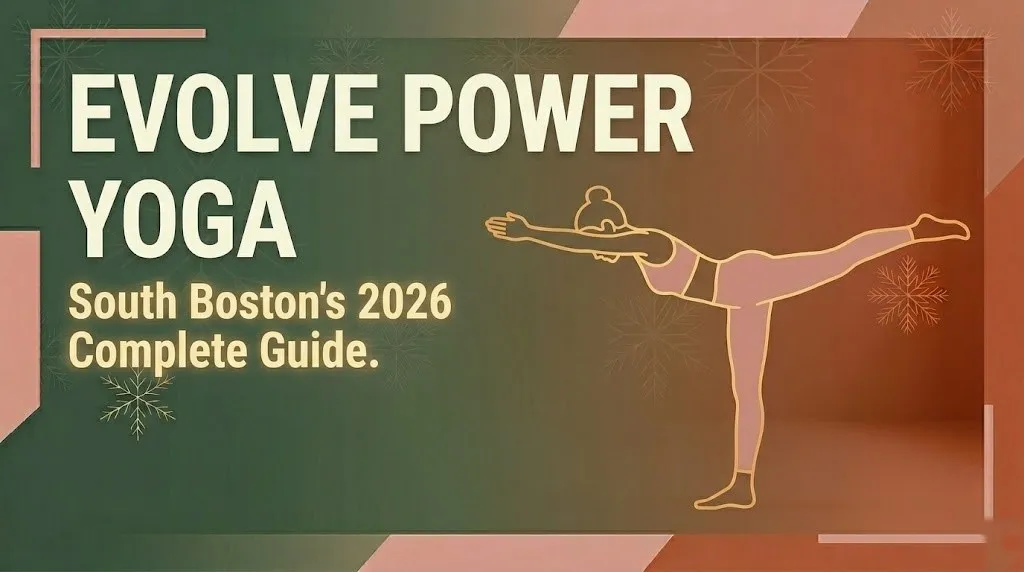
Balance is an underappreciated benefit of power yoga. The frequent one-legged balance poses in a standard power yoga class, including Virabhadrasana III (Warrior III) and standing splits, train the stabilizing muscles of the ankle, knee, and hip while also developing the proprioceptive awareness that supports injury prevention in everyday movement.
Key research-supported benefits of power yoga practice:
- Improved lower body and core muscular strength after 8 weeks of consistent practice
- Elevated cardiovascular endurance comparable to moderate aerobic exercise
- Reduced self-reported anxiety and cortisol levels in adults with work-related stress
- Improved spinal flexibility and posterior chain mobility
- Enhanced proprioception and balance, particularly relevant for injury prevention
Power Yoga for Strength and Cardiovascular Fitness
Power yoga builds functional strength and cardiovascular fitness simultaneously by combining sustained isometric bodyweight loading with elevated heart rate through continuous movement sequences.
The strength demands of a power yoga class are not trivial. Holding Utkatasana (Chair Pose) for five breath cycles loads the quadriceps, glutes, and core stabilizers at an intensity comparable to a moderately loaded squat hold. Transitioning repeatedly through Chaturanga Dandasana (Four-Limbed Staff Pose) across a 60-minute class accumulates significant pushing strength work across the triceps, anterior deltoids, and serratus anterior.
Think of the shoulder demand in a power yoga class like a rowing machine: moderate resistance, sustained over a longer duration than most people expect. New students are often surprised that their arms and shoulders are the first thing that fatigues, not the legs.
According to the American College of Sports Medicine, regular bodyweight-based strength training, including yoga formats that include sustained isometric and eccentric loading, produces measurable hypertrophic and endurance adaptations in the upper and lower body. These adaptations are not equivalent to barbell-based strength training but are meaningful for general fitness and functional capacity.
| Pose | Strength Target | Cardiovascular Demand |
|---|---|---|
| Utkatasana (Chair Pose) | Quadriceps, glutes, core | Moderate |
| Chaturanga Dandasana (Four-Limbed Staff Pose) | Triceps, deltoids, serratus anterior | Low to moderate |
| Virabhadrasana III (Warrior III) | Glutes, hamstrings, ankle stabilizers | Moderate |
| Navasana (Boat Pose) | Hip flexors, rectus abdominis, spinal extensors | Low |
| Surya Namaskar (Sun Salutation) sequence | Full body, multi-joint | Moderate to high |
Power Yoga for Stress Relief and Mental Health
Power yoga reduces psychological stress by combining physical exertion with structured breathwork, which activates the parasympathetic nervous system and lowers circulating cortisol over the course of a single session.
The breath component of power yoga is not decorative. Ujjayi Pranayama (Victorious Breath), the primary breathing technique used in power yoga, involves slow nasal breathing with a gentle constriction at the back of the throat that produces a soft oceanic sound. This technique directly activates the vagus nerve, which is the primary pathway for parasympathetic “rest and digest” signaling. The result is a measurable reduction in heart rate variability and perceived stress that begins within the first ten minutes of class.
A study published in the Journal of Alternative and Complementary Medicine found that adults practicing physically active yoga styles three times per week for twelve weeks showed statistically lower cortisol levels and self-reported anxiety scores compared to non-practicing control groups. The combination of physical effort and breath regulation appears to produce stress-reduction effects beyond what either element achieves in isolation.
For South Boston’s population of urban professionals managing demanding work environments, this dual mechanism matters. The physical exertion provides a genuine outlet for accumulated tension. The breath structure prevents the class from becoming another stressor on a long list.
Pose Tip:
- Keep Ujjayi breath audible to yourself throughout the class
- If the breath becomes ragged or disappears entirely, the pace is too fast
- Rest in Balasana (Child’s Pose) for two to three breath cycles to reset before rejoining the flow
Key Takeaway: Power yoga’s stress-relief benefits come from the combination of physical effort and structured Ujjayi breathing, not from either element alone. If you stop breathing intentionally, you lose half the practice’s mental health benefit.
Is Power Yoga Good for Beginners
Power yoga is accessible to beginners who approach it with patience, accept that the first several classes are primarily about learning transitions rather than perfecting poses, and choose a class specifically labeled as beginner or foundational.
The honest answer is that a standard power yoga class, not a beginner-specific version, is challenging for people with no yoga background. The transitions happen relatively quickly, the Sanskrit pose names take time to learn, and the upper body demands of repeated Chaturanga transitions are genuinely hard for deconditioned arms and shoulders. This is not a reason to avoid it. It is a reason to start in the right class.
Most studios, including Evolve Power Yoga, offer beginner or introductory power yoga classes where the pace slows, transitions are explained step by step, and teachers offer modifications continuously throughout the session. These classes build the foundational body awareness and transition vocabulary that make a general power yoga class manageable within four to six weeks.
According to research published in Complementary Therapies in Medicine, beginners who attended structured yoga orientation classes before their first general-level class reported significantly higher confidence, lower anxiety, and greater practice adherence at the three-month mark compared to beginners dropped directly into mixed-level classes.
Who should start with a beginner power yoga class:
- Anyone with no prior yoga practice of any style
- Adults returning to exercise after six months or more of inactivity
- People with wrist, shoulder, or lower back concerns that need modification-aware instruction
- Adults over 60 who want power yoga’s benefits but need slower pacing initially
- Anyone who feels intimidated by group fitness environments
What to Expect at Your First Power Yoga Class
Your first power yoga class will be teacher-guided, physically demanding, and structured around breath-linked movement sequences, running approximately 60 to 75 minutes with a final rest period in Savasana (Corpse Pose).
The class structure follows a consistent pattern. It opens with a centering period of two to three minutes of seated breathwork. Then a warm-up sequence of Surya Namaskar (Sun Salutation) rounds builds internal heat before the main standing and floor sequences. The class closes with a five to ten minute Savasana, which serves the nervous system integration function that makes yoga different from a standard gym workout.
Expect to not know every transition on the first attempt. This is normal. Watch the teacher, move a half-beat behind the verbal cue if needed, and focus on maintaining your Ujjayi breath rather than achieving the deepest version of every pose. The physical shapes improve with repetition. The breath is what you can practice well from day one.
Delayed-onset muscle soreness in the legs, hips, and especially the shoulders and upper back is common after the first two or three power yoga classes. This typically peaks at 24 to 48 hours and resolves without treatment. A gentle walk or a shorter restorative yoga session on day two helps accelerate recovery.
What the first power yoga class typically includes:
- Two to three minutes of seated breath centering with Ujjayi Pranayama
- Four to six rounds of Surya Namaskar (Sun Salutation) at increasing pace
- A standing sequence including Warrior I, Warrior II, and Triangle Pose variations
- One or two balancing poses modified for beginners
- Core work in the final floor sequence
- Five to ten minutes of Savasana (Corpse Pose) as the closing rest
What to Wear and Bring to Power Yoga
For power yoga, wear moisture-wicking, form-fitting clothing that stays close to the body during dynamic transitions and inverted positions, and bring a non-slip yoga mat and at least 24 ounces of water.
The clothing choice is more consequential in power yoga than in slower yoga formats. Loose fabric shifts and falls during forward folds, inversions, and transitions from plank to Chaturanga. Form-fitting leggings or fitted shorts with a snug top solve this without requiring expensive specialized gear. Synthetic moisture-wicking fabrics handle sweat better than cotton, which becomes heavy and uncomfortable midway through a heated class.
Power yoga rooms are not always heated to the temperatures of a hot yoga studio, but the physical intensity of the practice generates significant internal heat. Most students sweat substantially during class. A non-slip yoga mat is standard. A yoga towel over the mat surface becomes useful as the class progresses and sweat reaches the mat surface.
What to bring to your first power yoga class:
- Yoga mat (personal or studio-rented)
- Non-slip yoga towel for mat coverage if the room is warm
- Water bottle with at least 24 ounces
- Two yoga blocks for pose modifications (most studios provide these)
- Yoga strap for hamstring and shoulder stretching (available at most studios)
- Hair tie for hair longer than chin length
- Change of dry clothes for after class
Eat lightly in the two hours before class. The twisting, inverting, and forward-folding sequences in a power yoga class are uncomfortable on a full stomach. A banana or a small handful of almonds 45 minutes before class is a practical compromise for people who practice early morning or midday.
Key Takeaway: Form-fitting, moisture-wicking clothing and a non-slip mat are the only non-negotiable equipment items for power yoga. Everything else, blocks, straps, towels, can be borrowed from the studio while you figure out what you actually use.
Power Yoga Poses for Beginners With Step-by-Step Instructions
The five most foundational power yoga poses appear in almost every class and build the body awareness, transition vocabulary, and muscular endurance that everything else in the practice depends on.
Virabhadrasana I (Warrior I) builds leg strength, hip opening, and stable shoulder positioning simultaneously. It appears in the first third of nearly every power yoga class and establishes the lower body foundation for the entire standing sequence.
To practice Warrior I:
- Stand in Tadasana (Mountain Pose) at the top of your mat.
- Step your left foot back approximately 3.5 to 4 feet.
- Turn your left foot out to a 45-degree angle. Keep the left heel pressing firmly into the mat.
- Bend your right knee directly over your right ankle. The thigh moves toward parallel with the floor.
- Lift both arms overhead, palms facing each other or touching. Keep the shoulders drawing away from the ears.
- Square the hips toward the front of the mat as much as your hip flexibility allows.
- Hold for 5 breath cycles, then step forward and switch sides.
Modification for tight hip flexors or balance challenges: Keep the back heel lifted in a high-lunge position rather than pressing it flat. This reduces the hip flexor demand and allows the spine to stay long without compensation. Place one hand on the wall for balance support if the room allows.
Chaturanga Dandasana (Four-Limbed Staff Pose) is the most technically demanding transition in power yoga and the one beginners most commonly perform incorrectly.
To practice Chaturanga Dandasana:
- Start in a high plank position with wrists directly below shoulders.
- Spread fingers wide. Press through all ten fingertips evenly.
- Shift forward on the toes so the shoulders move slightly past the wrists.
- On an exhale, bend the elbows, keeping them hugging close to the ribs. Do not let them flare outward.
- Lower the body as one unit until the upper arms are parallel to the floor.
- Hold for one breath cycle, then press into Urdhva Mukha Svanasana (Upward-Facing Dog) or lower the knees to rest.
Modification for beginners or wrist sensitivity: Lower both knees to the mat before beginning the elbow bend. This reduces the load on the wrists and shoulders by roughly 40 percent while still developing the triceps and serratus anterior strength the full pose requires. Build this version for four to six weeks before attempting full Chaturanga.
Modifications for Power Yoga: How to Adapt the Practice
Power yoga modifications allow practitioners at every stage, including those with wrist pain, limited shoulder mobility, or lower back sensitivity, to access the full sequence safely without skipping the poses that matter most for their development.
The most common modification need in power yoga is for the wrist. Repeated Chaturanga transitions load the wrists at full bodyweight, which is problematic for anyone with carpal tunnel syndrome, previous wrist fractures, or hypermobile wrist joints. The solution is simple: practice on fists rather than flat palms, which keeps the wrist in a neutral position and distributes load more evenly. Many experienced practitioners use fists by choice, not only out of necessity.
Lower back sensitivity is the second most common concern. Forward folds and the repeated transitions from standing to plank can aggravate an irritated lumbar spine if the core is not actively engaged throughout. The correction is deliberate rather than structural: engage the deep core stabilizers before every transition and bend the knees generously in all forward folds to reduce the pull on the lumbar region.
According to the International Journal of Yoga, yoga practiced with appropriate modifications shows lower rates of practice-related injury than yoga practiced without guidance toward individual anatomical needs. This makes a case for choosing instructor-led classes over self-directed practice during the first six months.
| Condition | Pose Affected | Recommended Modification |
|---|---|---|
| Wrist pain or carpal tunnel | Chaturanga, Downward-Facing Dog, Plank | Practice on fists or forearms |
| Shoulder impingement | Chaturanga, Warrior I arms | Hands on hips instead of overhead |
| Lower back sensitivity | Forward folds, plank transitions | Deep knee bend, active core engagement |
| Knee pain | Warrior I and II, Chair Pose | Shallower knee bend, wall support |
| Hamstring strain | Forward folds, Downward-Facing Dog | Generous knee bend, block under hands |
| Balance challenges | Warrior III, standing splits | Wall support, foot on block |
Power Yoga and Weight Management: What the Evidence Shows
Power yoga contributes to weight management through calorie expenditure, increased lean muscle mass, and improved metabolic function, though the effect size is more modest than popular marketing claims suggest.
A study published in the Journal of Alternative and Complementary Medicine measuring energy expenditure during active yoga styles found that vigorous yoga sessions burned between 300 and 450 calories per 60 minutes for average-weight adults, depending on body mass, class intensity, and individual fitness level. This is comparable to moderate cycling or a brisk swim, not equivalent to high-intensity interval training or running.
The more durable weight management benefit of power yoga comes through muscle mass preservation and development. Each pound of lean muscle tissue increases resting metabolic rate modestly but persistently. Over months of consistent power yoga practice, the cumulative muscular adaptations, particularly in the legs, core, and shoulders, support a slightly higher resting calorie burn.
Power yoga also reduces the cortisol-driven overeating pattern that derails many weight management efforts. Chronically elevated cortisol increases appetite and directs fat storage toward the abdominal region. By lowering cortisol through the combined physical and breathwork demands of the practice, power yoga addresses one of the most common physiological barriers to sustainable weight management.
What power yoga realistically contributes to weight management:
- 300 to 450 calories burned per 60-minute vigorous session
- Gradual lean muscle development over weeks of consistent practice
- Reduced cortisol-driven appetite and abdominal fat storage
- Improved sleep quality, which supports healthy hormone regulation
- Consistent physical activity habit, which is the strongest predictor of long-term weight stability
Key Takeaway: Power yoga supports weight management through calorie burn, muscle development, and cortisol reduction, but it works best as part of a broader approach to nutrition and consistent movement rather than as a standalone weight loss solution.
How Often Should You Do Power Yoga
Most yoga teachers and exercise science researchers recommend practicing power yoga two to four times per week for adults seeking measurable fitness improvements, with at least one rest day between sessions to allow muscular and connective tissue recovery.
The intensity of power yoga makes recovery a genuine consideration. Unlike gentle Hatha or restorative yoga, which can be practiced daily without accumulating fatigue, power yoga places repeated eccentric and isometric demands on the shoulder girdle, core, and legs. Without adequate recovery, the risk of overuse injury, particularly in the wrists, shoulders, and lower back, increases meaningfully after the first month of daily practice.
Research published in Complementary Therapies in Medicine found that practitioners attending two to three power yoga sessions per week showed comparable strength and flexibility gains to those practicing five or more times weekly, with substantially lower injury and dropout rates. Frequency matters less than consistency over time. Two sessions per week for six months outperforms five sessions per week for six weeks followed by burnout and cessation.
A practical frequency progression for new Evolve Power Yoga students:
- Week 1 and 2: Two sessions per week, choosing beginner or foundational classes
- Week 3 and 4: Two to three sessions per week, adding a general-level class once familiar with core transitions
- Month 2: Three sessions per week, varying class intensity between vigorous and moderate
- Month 3 onward: Three to four sessions per week, with one rest or restorative day between demanding sessions
Sleep quality directly supports adaptation. Practitioners sleeping fewer than seven hours per night will recover more slowly and should prioritize sleep over adding additional sessions when choosing between the two.
How to Build a Power Yoga Practice at Home
A home power yoga practice requires a structured sequence, a dedicated space, and consistent timing rather than relying on motivation alone to sustain the habit between studio visits.
The home environment strips away the social accountability and instructor guidance that make studio classes effective. Replacing those elements requires deliberate design. Set up a permanent practice space, even a cleared section of a bedroom floor, use the same time slot each session, and follow a written or recorded sequence rather than improvising. Improvised home sessions trend toward the familiar and comfortable, which limits progress.
A complete 40-minute home power yoga sequence:
- Begin seated. Practice Ujjayi Pranayama for 3 minutes, establishing nasal breathing with throat constriction.
- Complete 5 rounds of Surya Namaskar (Sun Salutation), starting slowly and building pace by round three.
- Hold Virabhadrasana I (Warrior I) for 5 breaths on each side.
- Hold Virabhadrasana II (Warrior II) for 5 breaths on each side.
- Transition to Utkatasana (Chair Pose) for 5 breaths, then straighten to standing.
- Balance sequence: Virabhadrasana III (Warrior III) for 3 breaths on each side.
- Floor sequence: Navasana (Boat Pose) for 3 rounds of 5 breaths with brief release between rounds.
- Adho Mukha Svanasana (Downward-Facing Dog) for 10 breaths to close the active sequence.
- Finish with 8 to 10 minutes of Savasana (Corpse Pose). Non-negotiable.
Essential home power yoga equipment:
- Non-slip yoga mat with adequate cushion for knees and hips
- Two yoga blocks for pose modifications and depth adjustment
- One yoga strap for hamstring stretching and shoulder openers
- Yoga towel for mat coverage during sweaty sessions
Modification for limited space: Replace the full Warrior sequence with a chair-supported version. Stand beside a sturdy chair, using the back for balance. Move through the standing poses with reduced range of motion while maintaining the breath structure. The breath work in a modified version still produces meaningful nervous system benefits.
Frequently Asked Questions About Evolve Power Yoga
What is Evolve Power Yoga in South Boston?
Evolve Power Yoga is a yoga studio in South Boston, Massachusetts, offering dynamic, breath-linked power yoga classes for practitioners at all experience levels.
The studio’s format combines the physical intensity of strength-based sequences with structured breathwork, serving a community of active adults, athletes, and professionals.
Classes range from beginner-specific foundational sessions to more demanding general power yoga formats for experienced practitioners.
Is power yoga good for beginners with no yoga experience?
Power yoga is accessible to beginners when they start in a class specifically labeled as beginner or foundational rather than jumping into a general-level session.
The main beginner challenges are learning transition names, building wrist and shoulder strength for Chaturanga, and maintaining Ujjayi breath while moving.
Most students find the practice manageable within three to four sessions once the core transitions become familiar.
How is power yoga different from regular Vinyasa yoga?
Power yoga is a higher-intensity subset of Vinyasa yoga that maintains vigorous physical demand throughout the class rather than alternating between intense and gentle segments.
The strength requirements, particularly through the shoulder girdle and core, are consistently higher in power yoga than in a general Vinyasa class.
Both styles use breath-linked movement, but power yoga prioritizes fitness conditioning more explicitly than general Vinyasa.
How many times a week should I do power yoga?
Most practitioners benefit most from two to three power yoga sessions per week, with at least one rest day between sessions for muscular recovery.
Research published in Complementary Therapies in Medicine found that this frequency produced comparable fitness gains to more frequent practice, with significantly lower dropout and injury rates.
Beginners should start at two sessions per week for the first four weeks before considering adding a third session.
What should I bring to my first power yoga class?
Bring a yoga mat, a water bottle with at least 24 ounces of water, and form-fitting moisture-wicking clothing that stays close to the body during transitions and inversions.
Most studios including Evolve Power Yoga provide yoga blocks and straps, so those are not essential for day one.
Avoid eating a full meal in the two hours before class. A light snack 45 minutes beforehand is sufficient.
Start Where You Are
Power yoga meets you at your current fitness level. Your first class doesn’t need to be perfect. It needs to happen.
Book a beginner or foundational class at Evolve Power Yoga or your nearest South Boston studio. Show up with your mat, your water, and the one goal of staying in the room and maintaining your breath. Practice twice a week for the first month. The transitions will click. The shoulder strength will build. The mental clarity after class will start to feel like something you plan your day around.
Three sessions per week, consistently applied over three months, produces more lasting change than any amount of intention without action.