Thong Yoga in 2026: The Honest Comfort and Fit Guide
Thong yoga is simply practicing yoga while wearing a thong as your underwear layer, and yes, it works perfectly well when you make a few smart choices about fabric, fit, and pose selection. Whether you practice at home or in a studio, this guide covers everything you need to stay comfortable, hygienic, and focused on your movement rather than your waistband.
About 72% of women in athletic settings report underwear discomfort as a distraction during exercise, according to a 2022 survey published by the Textile Research Journal. That number climbs higher during yoga specifically, where deep hip openers, wide stances, and inversions put traditional underwear to the test in ways a treadmill simply does not.
Here, you will find the real science behind fabric choices and skin health, a pose-by-pose comfort breakdown, honest hygiene guidance from dermatological sources, and a clear comparison of thong vs. commando options. No fluff. No judgment. Just practical answers from someone who has taught hundreds of classes and fielded this question more times than you might guess.
What Is Thong Yoga
Thong yoga refers to any yoga practice performed while wearing a thong as the primary underwear garment. It is not a specific yoga style, lineage, or class format.
The term emerged online as more practitioners discussed underwear choices that eliminate visible panty lines and reduce fabric bunching during deep stretches. Yoga leggings and fitted pants make traditional underwear seams and edges more noticeable, and a thong solves that problem by design.
This is a clothing preference, not a technique change. Your alignment cues, breath patterns, and sequencing stay identical. The only variable is what sits against your skin beneath your outer layer.
| Common Misconception | Reality |
|---|---|
| Thong yoga is a specific yoga style | It is a clothing choice, not a practice style |
| Only certain body types can do it | Any body type can wear a thong for yoga |
| It is only for home practice | Works in studios, gyms, or at home |
| It requires special poses | All standard poses apply |
Some practitioners also use the term when practicing at home wearing only a thong, without leggings or shorts on top. That context shifts the conversation toward body confidence and minimal clothing practice, which gets its own section later in this guide.
Yoga in Thong: Why People Choose It
Yoga in a thong eliminates the bunching, riding, and visible lines that traditional underwear creates under fitted yoga clothing. That is the primary reason most practitioners make this switch.
Think about what happens in Utkatasana (Chair Pose). Your hips drop, your thighs press together, and any excess underwear fabric gets compressed and pushed out of place. A well-fitted thong stays put because there is simply less material to migrate.
The motivation breaks down into a few clear categories:
- Comfort during movement: Less fabric means fewer adjustment pauses mid-flow
- Aesthetics under leggings: No panty lines visible in fitted yoga pants
- Temperature regulation: Reduced fabric coverage allows more airflow in the pelvic area
- Sensory preference: Some practitioners find less fabric less distracting overall
A 2020 consumer behavior study in the Journal of Fashion Marketing and Management found that comfort and fit during physical activity ranked as the top two factors driving underwear selection among active women, ahead of brand loyalty and price. That aligns with what yoga teachers hear in practice: students want to stop thinking about their underwear entirely.
This choice is personal and body-dependent. What feels freeing for one person may feel uncomfortable for another. Neither response is wrong.
Practicing Yoga in Thongs: What to Expect
Practicing yoga in thongs feels different from traditional underwear primarily in hip-opening poses and seated forward folds, where you will notice less fabric compression and more freedom through the inner thighs and groin area.
The adjustment period is usually short. Most people report that the first one or two sessions feel slightly unfamiliar, and by the third practice, they no longer notice the difference. Your body adapts quickly when the fit is right.
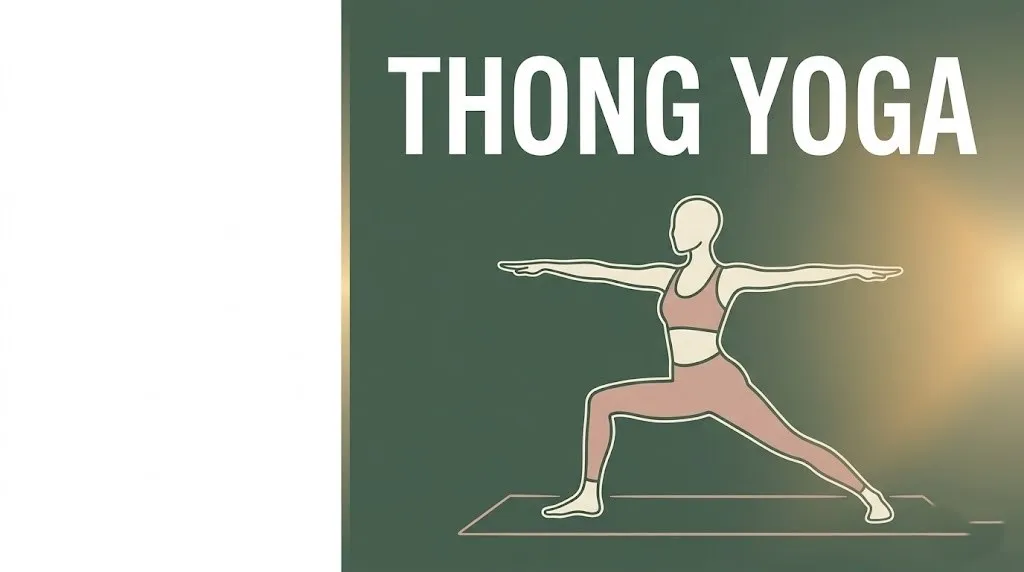
Here is what to expect by yoga style:
| Yoga Style | Thong Comfort Level | Notes |
|---|---|---|
| Hatha | High | Slower pace, fewer transitions, less shifting |
| Vinyasa | Moderate to High | Fast transitions test fit; snug waistband matters |
| Yin | High | Long holds, minimal movement, very comfortable |
| Restorative | High | Bolster-supported poses, barely noticeable |
| Ashtanga | Moderate | Intense sequences; secure fit is important |
| Bikram/Hot Yoga | Variable | Sweat increases friction; moisture-wicking fabric is key |
For heated practices, expect more moisture in the pelvic region. A cotton thong absorbs and holds sweat, while a modal or nylon-spandex blend pulls moisture away from the skin. Fabric choice matters more than the thong itself in hot environments.
One thing to prepare for: seated poses on a hard floor without a bolster may feel the thong’s back strap more noticeably. A yoga blanket or cushion solves this instantly.
Key Takeaway: Thong yoga is a clothing preference, not a style of yoga. Most practitioners adjust within two to three sessions, and the experience varies more by fabric and yoga style than by the thong itself.
Can You Do Yoga in a Thong
Yes, you can do yoga in a thong. There is no anatomical, safety, or practical reason why a thong would prevent you from performing any standard yoga pose.
The concern most people have centers on whether the thong will shift, cause discomfort, or create hygiene problems during practice. Each of these is manageable with the right product and a few practical adjustments.
Key considerations before you start:
- Fit matters more than style. A thong that fits your body without digging into the hip creases or sliding will stay in place through Sun Salutations, inversions, and hip openers alike.
- Fabric matters more than brand. Breathable, moisture-wicking material reduces friction and sweat buildup. Cotton gussets are recommended by the American College of Obstetricians and Gynecologists (ACOG) for everyday wear, and the same principle applies during exercise.
- Pose selection does not change. You do not need to skip or modify any pose solely because of your underwear choice.
The only scenario where a thong might genuinely be the wrong choice is if you have an active skin irritation, open chafing, or a diagnosed vulvar condition like lichen sclerosus. In those cases, a dermatologist would likely recommend looser-fitting, full-coverage underwear until the condition resolves.
For everyone else, the answer is straightforward: try it, assess the fit, and adjust your fabric choice if needed.
What to Wear Under Yoga Pants
The best underwear under yoga pants is whatever stays in place, wicks moisture, and does not create visible lines or bunching. For many practitioners, a seamless thong checks all three boxes.
Your options fall into a few categories:
| Option | Pros | Cons |
|---|---|---|
| Seamless thong | No panty lines, minimal fabric, stays put | Requires correct sizing; may shift if too loose |
| Seamless bikini | More coverage, still low-profile | Can bunch in hip creases during wide stances |
| Boy shorts | Full coverage, comfortable | Visible lines under most leggings; can ride up |
| Commando (no underwear) | Zero lines, maximum airflow | Hygiene considerations; legging seam friction |
| Built-in gusset leggings | All-in-one solution | Limited styles; gusset quality varies widely |
The International Journal of Yoga published research in 2019 noting that physical discomfort, including clothing-related discomfort, was among the top reasons beginners discontinued home practice. That finding suggests underwear choice is not trivial. Anything that distracts you from breath and alignment pulls your attention off the mat.
Quick tip: If you are trying a thong under yoga pants for the first time, start with a home practice session. Give yourself 45 to 60 minutes to move through a full sequence before deciding if the fit works for you.
Leggings with a built-in cotton or modal gusset lining can also work well as a standalone option, though the gusset should extend far enough to provide adequate coverage and not just sit as a decorative patch.
Best Thong for Yoga
The best thong for yoga is a seamless, moisture-wicking thong with a cotton or modal gusset and a flat, non-rolling waistband. Those four features solve the most common complaints practitioners report.
When evaluating a thong for yoga use, focus on these features:
- Seamless construction: Eliminates edges that dig into skin during twists and folds
- Flat waistband: Prevents rolling and folding at the hip crease, especially in Uttanasana (Standing Forward Fold) and seated poses
- Cotton or modal gusset: Recommended by the American Academy of Dermatology for reducing irritation in sensitive areas during sweat-producing activity
- Four-way stretch fabric: Moves with your body through every range of motion without snapping back or losing shape
- Tagless design: No irritating label rubbing against the lower back or sacrum area
Avoid thongs with lace edges, decorative trim, rigid elastic bands, or synthetic-only gussets for active practice. These features are designed for aesthetics, not movement. Lace in particular catches on legging fabric and shifts position during transitions.
Pose Tip:
- Test a new thong in Adho Mukha Svanasana (Downward-Facing Dog) first. This inversion reveals waistband rolling issues immediately.
- Then move through Virabhadrasana II (Warrior II). Wide stances expose inner thigh friction problems.
- Finally, try a seated forward fold. If nothing shifts, bunches, or digs, you have a keeper.
Price does not always predict performance. A $7 seamless thong from a basics brand often outperforms a $25 designer option for yoga because the basics brand focuses on fit and fabric rather than decoration.
Key Takeaway: Seamless construction, a flat waistband, and a cotton or modal gusset are the three features that separate a yoga-compatible thong from one that will distract you every time you fold forward.
Yoga Underwear Thong: Features That Matter
A yoga underwear thong needs to prioritize function over fashion, meaning the features that keep it invisible and comfortable during 60 to 90 minutes of continuous movement are what you should evaluate first.
Standard everyday thongs are designed for walking, sitting, and standing. Yoga demands far more from underwear. You are inverting, folding, twisting, lunging, and holding static positions that pull and compress fabric from every angle.
Here is a feature-by-feature breakdown:
| Feature | Why It Matters for Yoga | What to Avoid |
|---|---|---|
| Bonded/laser-cut edges | No seam lines visible under leggings; reduces chafing | Stitched seams, overlocked edges |
| Wide gusset | Stays in place during wide-legged poses | Narrow gussets that shift laterally |
| Mid-rise waistband | Sits below the navel; does not interfere with core engagement | Ultra-low rise that slides down; high rise that folds |
| Matte finish fabric | Does not show through light-colored leggings | Shiny satin or glossy synthetic |
| Antimicrobial treatment | Reduces odor during heated or long practices | Untreated synthetic-only fabric |
The Cleveland Clinic’s dermatology department advises that underwear worn during exercise should allow air circulation and avoid trapping heat against the skin. A thong with breathable mesh panels along the waistband or side strings helps meet this recommendation.
One commonly overlooked detail: the back strap width. A very thin “string” back can cut into the skin during poses like Setu Bandhasana (Bridge Pose), where your weight presses into your upper back and your pelvis lifts. A slightly wider strap, around 1 to 1.5 centimeters, distributes pressure better without adding bulk.
Best Fabric for Yoga Thong
Modal and nylon-spandex blends are the two best fabrics for a yoga thong because they wick moisture, resist odor, and move with the body without losing shape during extended practice.
Fabric is where most underwear choices succeed or fail during yoga. Your pelvic region generates more sweat per square centimeter than most other body areas, according to dermatological research published by the American Academy of Dermatology. The fabric touching that skin needs to handle moisture without holding it.
Here is how common fabrics compare:
| Fabric | Moisture Wicking | Breathability | Durability | Best For |
|---|---|---|---|---|
| Modal | Excellent | Excellent | Good | All yoga styles, especially hot yoga |
| Nylon-spandex | Very good | Good | Excellent | Vinyasa, Ashtanga, power yoga |
| Cotton | Low (absorbs, holds) | Good when dry | Moderate | Gentle Hatha, Restorative, Yin |
| Polyester | Good | Moderate | Excellent | Budget option; can trap odor |
| Merino wool | Excellent | Excellent | Moderate | Cold-weather practice, sensitive skin |
| Bamboo viscose | Good | Very good | Low to moderate | Casual home practice |
Cotton gets recommended often because ACOG endorses cotton underwear for everyday vulvar health. During exercise, however, cotton absorbs sweat and stays wet. That damp environment against the skin for 60 to 90 minutes increases the risk of irritation and microbial imbalance. Cotton works best for short, gentle sessions.
Modal, made from beech tree pulp, absorbs moisture and releases it quickly. It is softer than cotton, resists shrinking, and maintains its shape after dozens of washes. For most yoga practitioners, modal is the strongest all-around fabric choice.
Blended fabrics with a cotton gusset and a modal or nylon body offer the best of both worlds: skin-safe lining where it counts and performance fabric everywhere else.
Key Takeaway: Modal outperforms cotton for active yoga because it wicks sweat instead of holding it, while a cotton gusset in the lining keeps things skin-friendly where contact matters most.
Yoga Poses Comfortable in a Thong
Standing poses, gentle backbends, and supine postures are the most comfortable yoga poses in a thong because they create minimal fabric compression in the pelvic and groin area.
Not every pose interacts with your underwear the same way. Wide-legged standing poses spread the inner thigh area without bunching fabric. Supine (lying on your back) poses place no pressure on the thong’s waistband or back strap. Standing balances keep everything neutral.
Most comfortable poses in a thong:
- Tadasana (Mountain Pose): neutral standing, zero fabric interference
- Virabhadrasana I and II (Warrior I and II): wide stance, open hips, thong stays stable
- Vrksasana (Tree Pose): single-leg balance, no compression
- Supta Baddha Konasana (Reclined Bound Angle): open hip position, relaxed pelvic area
- Savasana (Corpse Pose): lying flat, no movement, maximum comfort
Poses that may need attention:
- Malasana (Garland Pose/Deep Squat): deep hip flexion can press the waistband into the lower abdomen; a flat, wide waistband helps
- Halasana (Plow Pose): inversion plus spinal flexion; the back strap may press into the sacrum if it is too thin
- Navasana (Boat Pose): deep hip flexion with core engagement; waistband may fold
For seated forward folds like Paschimottanasana, a well-fitting thong stays in place. A poorly fitting one slides. The issue is always fit, not the pose itself.
Modification note: If any pose creates underwear discomfort, adjust your clothing first, not your alignment. Pulling your waistband up or down slightly before entering the pose is completely normal and does not disrupt your practice.
How to Prevent Thong Wedgie During Yoga
The most effective way to prevent a thong wedgie during yoga is to wear the correct size with a flat, bonded waistband and test it through your most demanding poses before committing to a full session.
Wedgies happen for three reasons: wrong size, wrong fabric texture, or wrong waistband style. Each has a specific fix.
To prevent thong wedgies during yoga practice:
- Size accurately. Measure your hips at the widest point. Refer to the brand’s size chart, not your usual clothing size. Underwear sizing varies by brand.
- Choose a flat bonded waistband. Elastic bands that roll or fold create the pulling sensation that causes wedgies. Bonded edges stay flat against the skin.
- Avoid slippery fabrics on the body with grippy fabrics on the thong. A satin-finish thong inside matte leggings creates a slip-and-catch cycle. Match textures: matte thong inside matte leggings.
- Test in Downward Dog, Chair Pose, and a deep lunge. These three positions create the most shifting. If the thong stays put through all three, it will hold through your entire practice.
- Consider a slightly wider back strap. String-style thongs shift more easily than those with a 1-centimeter or wider back strap.
Pose Tip:
- Before each practice, do one Adho Mukha Svanasana (Downward-Facing Dog) as a fit check.
- If the waistband rolls or the back strap shifts, switch thongs before proceeding.
- This 30-second test saves an entire session of distraction.
The goal is simple: once class begins, you should forget your underwear exists. If you are adjusting it between poses, something about the fit, size, or fabric is off.
Practicing Yoga at Home in a Thong
Practicing yoga at home in a thong gives you complete privacy to test comfort, try minimal clothing, and focus purely on your movement without worrying about anyone else’s perspective.
Home practice is where most people first try this. The privacy removes any self-consciousness, and you can pause to adjust, change, or remove the thong entirely if it is not working. That freedom makes home the ideal testing ground.
A few practical considerations for home sessions:
- Mat hygiene matters more. With less clothing coverage, more of your skin contacts the mat directly. Clean your mat after every session with a gentle mat spray.
- Temperature control helps. If your home runs cool, a thong-only practice may leave you feeling chilled during Savasana or long Yin holds. Keep a blanket nearby.
- Mirror feedback is useful. A full-length mirror lets you check whether your thong is visible through your leggings or shifting during specific poses.
The National Center for Complementary and Integrative Health (NCCIH), a division of the NIH, notes that home yoga practice carries the same physical benefits as studio practice when alignment and safety principles are maintained. Your underwear choice does not affect those outcomes.
For those practicing at home wearing only a thong, without outer layers, body temperature regulation and mat cleanliness become the two most relevant variables. A yoga towel over your mat provides both a grip surface and a hygienic barrier.
Key Takeaway: Home practice is the ideal place to test thong yoga because privacy lets you adjust freely, and the only real additions you need are a clean mat and a towel for direct skin contact.
Hygiene and Thong Yoga
Thong yoga is hygienic when you wear a moisture-wicking thong with a cotton or modal gusset and change it immediately after practice. The thong itself is not a hygiene problem; wearing a sweat-soaked one for hours afterward is.
This is where real medical guidance matters. The American College of Obstetricians and Gynecologists (ACOG) recommends breathable, cotton-lined underwear for vulvar health. They do not specifically discourage thongs during exercise, but they do emphasize changing out of sweaty clothing promptly.
Hygiene best practices for thong yoga:
- Change immediately after practice. Do not run errands in a sweat-dampened thong. Bring a fresh pair.
- Choose antimicrobial or moisture-wicking fabric. Modal and treated nylon resist bacterial growth better than untreated cotton.
- Wash after every single use. Yoga thongs should never be re-worn between washes.
- Clean your mat regularly. Less fabric coverage means more skin-to-mat contact, so mat hygiene supports skin health.
- Avoid heavily scented detergents. Fragrance can irritate vulvar tissue. Use a fragrance-free, hypoallergenic detergent for your yoga underwear.
| Hygiene Factor | Good Practice | Risk Factor |
|---|---|---|
| Post-practice change | Immediate | Staying in sweaty thong for hours |
| Fabric choice | Modal or cotton gusset | Synthetic-only gusset |
| Washing | After every session | Re-wearing unwashed |
| Detergent | Fragrance-free | Scented or harsh chemicals |
| Mat cleanliness | Wiped after each use | Unwashed mat with skin contact |
There is no credible evidence that thongs, by their design alone, cause infections during exercise. The risk comes from prolonged moisture exposure, not from the garment’s shape.
Skin Irritation from Thong During Exercise
Skin irritation from a thong during exercise most commonly results from friction, trapped moisture, or an allergic reaction to fabric dyes, not from the thong’s minimal coverage itself.
The American Academy of Dermatology (AAD) identifies three primary causes of exercise-related underwear irritation:
- Mechanical friction: Repetitive rubbing of fabric against skin, especially where the back strap contacts the gluteal crease and where waistband edges sit on the hip bones
- Moisture-related maceration: Sweat softening the skin and making it more vulnerable to abrasion and microbial overgrowth
- Contact dermatitis: An allergic or irritant reaction to dyes, elastic compounds, or finishing chemicals in the fabric
To reduce irritation risk:
- Choose a thong with flat, bonded seams rather than stitched or overlocked edges.
- Select undyed or light-colored thongs for practice. Dark dyes carry higher irritant potential.
- Apply a thin layer of anti-chafe balm to the hip creases and gluteal fold before practice if you are prone to friction.
- Avoid wearing the same thong for back-to-back practices without washing.
- If redness, itching, or a rash develops and persists beyond 24 hours, this warrants a visit to a board-certified dermatologist who can determine whether the cause is friction, fungal, or allergic.
Modification for sensitive skin: Switch to a merino wool thong. Merino’s natural lanolin content and fine fiber structure create less friction than synthetic alternatives, and it resists bacterial odor without chemical treatments. It costs more but is worth testing if other fabrics cause reactions.
Yoga Thong vs Commando
A yoga thong provides a thin barrier that wicks moisture and reduces direct fabric friction, while going commando eliminates all underwear but increases contact between your skin and your leggings’ inner seam.
This comparison comes up frequently, and neither option is objectively superior. Each has trade-offs.
| Factor | Yoga Thong | Commando |
|---|---|---|
| Panty lines | None (seamless) | None |
| Moisture management | Gusset wicks and absorbs | Depends entirely on legging fabric |
| Friction | Thong fabric against skin | Legging seam directly against skin |
| Hygiene barrier | Provides one | No barrier between skin and legging |
| Legging longevity | Leggings stay cleaner longer | Body oils and sweat contact legging fabric directly |
| Comfort in wide stances | Minimal fabric present | Zero fabric present |
ACOG does not take a position on thong vs. commando specifically. Their guidance centers on breathable fabrics and prompt post-exercise changing regardless of underwear style.
The practical difference often comes down to your leggings. Leggings with a built-in cotton gusset lining work well for commando practice. Leggings without any gusset lining put a center seam directly against your skin for 60 to 90 minutes, which can cause irritation during hip-opening poses.
Pose Tip:
- If going commando, check your leggings for a center seam in the gusset area. A flat, covered seam reduces friction risk.
- If wearing a thong, ensure it sits flat and is not bunching beneath the legging’s own gusset lining, which creates a double layer that traps heat.
Try both for a few sessions each. Your anatomy, your leggings, and your practice style will tell you which works better.
Key Takeaway: The thong vs. commando decision depends more on your leggings’ construction than on the underwear itself. Check for a cotton gusset lining in your leggings before deciding to skip underwear entirely.
Yoga Without Underwear
Yoga without underwear is a common practice that works well when your leggings or shorts have a quality built-in gusset lining and you maintain regular garment hygiene.
Going underwear-free during yoga is not new. Many practitioners have done this for years, particularly in hot yoga and Bikram/26&2 classes where every additional layer increases heat retention. The practice is completely safe when a few conditions are met.
When going underwear-free works well:
- Leggings have a cotton or modal gusset lining that extends at least 8 to 10 centimeters
- The legging fabric is opaque and squat-proof (does not become transparent when stretched)
- You wash leggings after every single use, not after multiple wears
- Your practice is at home or in a setting where you feel comfortable
When you may want to reconsider:
- Leggings have no gusset lining or a very short one
- You plan to wear the leggings again before washing them
- You have a current skin irritation or infection in the vulvar area
- The leggings are light-colored and may show moisture marks
A study in the Journal of the American Academy of Dermatology (2021) noted that tight-fitting athletic wear worn without a breathable barrier layer against the skin may increase the incidence of folliculitis (inflamed hair follicles) in the groin and gluteal area, particularly in hot and humid conditions. Practitioners in heated yoga settings should weigh this finding when making their decision.
The bottom line: if your leggings were designed for underwear-free wear and you wash them after every session, there is no medical reason to avoid it.
Body Confidence Yoga Practice
Body confidence in yoga develops through consistent practice in an environment where you feel physically safe and mentally unjudged, and clothing choices, including wearing a thong, can be part of that process for some practitioners.
Yoga’s relationship with body image is well-documented. A 2020 study published in the International Journal of Yoga found that regular yoga practice was associated with improved body satisfaction and reduced self-objectification among adult women. The physical practice itself builds a positive relationship with your body by focusing on what it can do rather than how it looks.
Clothing plays a role in this. For some people, wearing minimal clothing during home practice helps build comfort and familiarity with their own body. Others find that comfortable, well-fitting clothes reduce self-consciousness and let them focus on movement.
Ways to build body confidence through yoga practice:
- Start at home. Private practice removes the comparison element entirely.
- Focus on sensation, not appearance. Close your eyes during standing balances. Notice how the pose feels, not how it looks.
- Wear what makes you feel capable. That might be a thong, full-coverage leggings, shorts, or nothing at all. The “right” answer is whatever keeps you on the mat.
- Practice regularly. Research consistently links yoga frequency (3 or more sessions per week) with greater body appreciation.
Yoga teacher and author Jessamyn Stanley has spoken publicly about how practicing in minimal clothing at home helped her develop a more accepting relationship with her body. While individual experiences vary, the pattern of using private practice as a space for self-acceptance is well-established in the yoga community.
No one needs to wear a thong to build body confidence. But if that choice helps you feel freer and more at ease in your body, it is a valid part of your personal practice.
Minimal Clothing Yoga
Minimal clothing yoga refers to practicing in as little clothing as possible, ranging from a thong and sports bra to shorts only, and it is rooted in the practical benefits of unrestricted movement, thermal regulation, and sensory feedback from your own body.
This approach has historical precedent. Traditional yoga in India was practiced in very minimal clothing, and the modern Western norm of full leggings and fitted tops is a relatively recent cultural addition. The practice itself does not require any specific garment.
Benefits of minimal clothing yoga:
- Greater range of motion visibility: You can see your muscle engagement and joint alignment directly, without fabric obscuring your body’s lines
- Improved proprioception: Feeling air against your skin during movement increases awareness of your body’s position in space
- Thermal regulation: Less fabric means less heat retention, particularly beneficial during Vinyasa or power yoga flows
- Reduced laundry: Practical but real; fewer layers mean fewer items to wash after each session
| Minimal Clothing Setup | Best For | Consider |
|---|---|---|
| Thong + sports bra | Home practice, hot yoga | Mat towel for hygiene; ensure privacy |
| Shorts only (no top) | Male practitioners, hot environments | Sweat management on mat |
| Sports bra + boy shorts | Moderate coverage with freedom | Good transitional option |
| Bikini or swimwear | Outdoor practice, beach yoga | Chlorine-treated fabric may irritate after long sessions |
Safety note: minimal clothing during practice means more skin contacting your mat, the floor, and any props. Clean all surfaces regularly. A yoga towel over your mat is a simple hygiene solution that also prevents slipping.
Modification for comfort: If you are new to minimal clothing practice, start with a single session at home in your most comfortable reduced outfit. Gradually adjust over several weeks rather than making a sudden shift.
Key Takeaway: Minimal clothing yoga is a practical choice, not an exhibitionist one. It improves your ability to see alignment, regulate temperature, and connect with physical sensation during practice. Start at home, keep your mat clean, and wear whatever amount of clothing lets you move and breathe without distraction.
Frequently Asked Questions About Thong Yoga
Is wearing a thong during yoga bad for you?
Wearing a thong during yoga is not harmful when the thong fits correctly and is made from breathable, moisture-wicking fabric.
The American College of Obstetricians and Gynecologists recommends cotton-lined underwear for vulvar health, which applies to thongs as well.
Change out of sweaty underwear promptly after practice to avoid moisture-related irritation.
What type of thong is best for hot yoga?
A modal or nylon-spandex thong with a cotton gusset works best for hot yoga because it wicks sweat quickly and dries faster than pure cotton.
Avoid all-cotton thongs in heated classes, as they absorb moisture and stay wet against the skin.
Seamless, flat-waistband designs prevent rolling during intense sequences.
Can thongs cause yeast infections during exercise?
Thongs do not directly cause yeast infections, but wearing any sweat-soaked underwear for extended periods after exercise creates a warm, moist environment where Candida yeast can overgrow.
The Cleveland Clinic recommends changing out of wet workout clothing within 30 minutes of finishing exercise.
Choosing moisture-wicking fabrics and changing promptly are the two most effective prevention steps.
Should you go commando instead of wearing a thong for yoga?
Going commando works well if your leggings have a built-in cotton or modal gusset lining that provides a breathable barrier.
Without a quality gusset, the legging’s center seam sits directly against your skin and may cause friction during hip-opening poses.
Try both options during home practice to see which feels more comfortable for your body and your specific leggings.
How do you stop a thong from riding up during yoga poses?
Choosing the correct size, a flat bonded waistband, and a slightly wider back strap prevents most riding and shifting during yoga.
Test the fit in Adho Mukha Svanasana (Downward-Facing Dog) and Utkatasana (Chair Pose) before starting your full practice.
If the thong moves during these two poses, the size or style is not right for active use.
Wear What Works, Then Forget About It
The best underwear for yoga is the underwear you stop noticing 30 seconds into your practice. For many people, a well-chosen thong does exactly that.
Start with one home session. Pick a seamless, moisture-wicking thong with a cotton gusset. Move through your usual sequence. If you spend the session thinking about your breath instead of your waistband, you have your answer.
Your practice deserves your full attention. Get the clothing decision right once, then let it go and focus on what actually matters: your alignment, your breath, and the way your body feels when it moves