
Diastasis Recti: What It Is and How Physical Therapy Can Help
Many new parents notice a change in their abdominal wall after pregnancy that goes beyond typical postpartum softness. A visible bulge or gap running down the midline of the stomach, especially when sitting up from lying down, is often a sign of diastasis recti. This common condition affects a large percentage of postpartum women, yet it remains poorly understood by many patients and even some healthcare providers. Fortunately, patients seeking care through Mankato Physical Therapy and similar outpatient clinics have access to evidence-based treatment that can meaningfully improve core function and appearance without surgery in most cases.
What Is Diastasis Recti?
Diastasis recti refers to the separation of the rectus abdominis muscles, commonly known as the “six-pack” muscles, along the linea alba, the connective tissue that runs down the center of the abdomen. During pregnancy, the growing uterus stretches this connective tissue to accommodate the baby, causing the muscles to separate. Some degree of separation is a normal and expected part of pregnancy. Problems arise when the gap does not narrow sufficiently after delivery, leaving the abdominal wall weakened and less able to support the spine, pelvis, and internal organs.
While diastasis recti is most commonly associated with pregnancy, it can also occur in men and in women who have never been pregnant, particularly as a result of improper lifting technique, significant weight fluctuations, or chronic straining.
Common Signs and Symptoms
Diastasis recti presents differently from person to person, but several signs tend to be consistent across cases:
- A visible ridge or bulge along the midline of the stomach, especially during abdominal exertion such as sitting up
- A soft or doming appearance to the abdomen that persists months after delivery
- Lower back pain or pelvic instability
- A feeling of weakness in the core during everyday activities like lifting or twisting
- In some cases, digestive discomfort or bloating related to reduced core support
Because these symptoms can overlap with other postpartum conditions, a proper evaluation is important before beginning any treatment plan.
Why Diastasis Recti Matters Beyond Appearance
It is easy to think of diastasis recti purely as a cosmetic concern, but the condition has functional implications that extend well beyond how the stomach looks. The abdominal wall plays a central role in stabilizing the spine and pelvis, supporting proper posture, and generating the intra-abdominal pressure needed for safe lifting and movement. When the connective tissue between the abdominal muscles is compromised, patients often experience reduced core strength, which can contribute to lower back pain, pelvic floor dysfunction, and difficulty returning to exercise or physically demanding activities.
Left unaddressed, diastasis recti can also increase the risk of hernia in some individuals, making early evaluation and treatment worthwhile even for patients who are not primarily concerned with appearance.
How Physical Therapy Evaluates Diastasis Recti
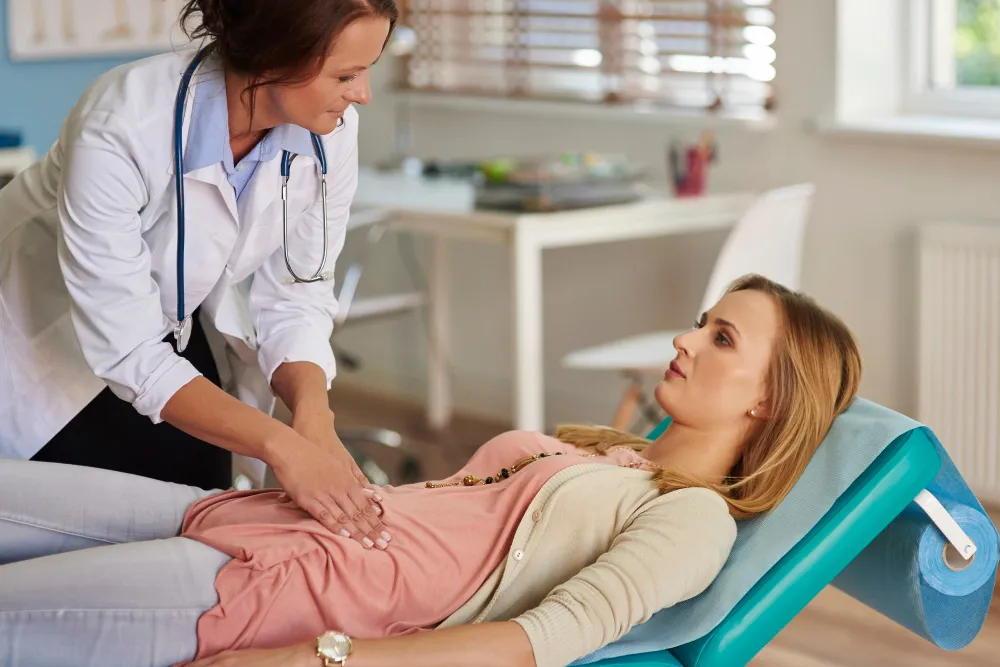
A physical therapist trained in postpartum and core rehabilitation begins with a hands-on assessment to measure the width and depth of the abdominal separation, typically at several points along the midline. This evaluation also considers how well the connective tissue tenses when the patient engages their core, which provides insight into how much functional support remains available.
Beyond the abdominal wall itself, a thorough evaluation looks at posture, breathing mechanics, pelvic floor function, and overall movement patterns. Diastasis recti rarely exists in isolation, and addressing it effectively usually requires looking at how the entire core system, including the diaphragm, deep abdominal muscles, and pelvic floor, is working together.
Treatment Approaches That Make a Difference
Physical therapy for diastasis recti focuses on retraining the deep core muscles to generate tension across the midline rather than pushing outward against it. This is a meaningful shift from traditional abdominal exercises like crunches or sit-ups, which can actually worsen the separation by increasing pressure on already stretched connective tissue.
Effective treatment plans typically include:
- Breathing retraining: Learning to coordinate the diaphragm and deep core muscles improves intra-abdominal pressure management during daily activities.
- Transverse abdominis activation: Gentle, targeted exercises help engage the deepest core muscle layer, which acts like a natural corset around the midsection.
- Pelvic floor coordination: Since the pelvic floor and deep abdominals work as a unit, addressing pelvic floor function often improves core outcomes as well.
- Progressive loading: As the core becomes stronger and more coordinated, exercises gradually increase in intensity, always monitored to ensure the midline is closing rather than widening.
- Functional movement training: Practicing safe techniques for lifting, carrying, and transitioning between positions helps protect the abdominal wall during real-life activities.
Patients typically notice improvements in core strength and stability within several weeks, though full closure of the gap varies based on the severity of the separation and consistency with the home exercise program.
When Additional Intervention May Be Needed
Most cases of diastasis recti respond well to physical therapy, particularly when treatment begins early in the postpartum period. However, in cases of severe separation that does not improve with conservative care, or when significant hernia risk is present, a physician may recommend surgical consultation. Even in these situations, physical therapy often remains a valuable part of the recovery process, both before and after any procedure.
Taking the Next Step
Diastasis recti is common, but that does not mean it should be dismissed as a normal part of postpartum life that simply has to be tolerated. With the right evaluation and a personalized treatment plan, most patients can rebuild core strength, reduce related pain, and return to the activities they enjoy with confidence. The team at ActivePT and Sports can help assess your core function and guide you through a recovery plan tailored to your body and your goals.