Prana Hot Yoga: Classes, Breath, and Benefits in 2026
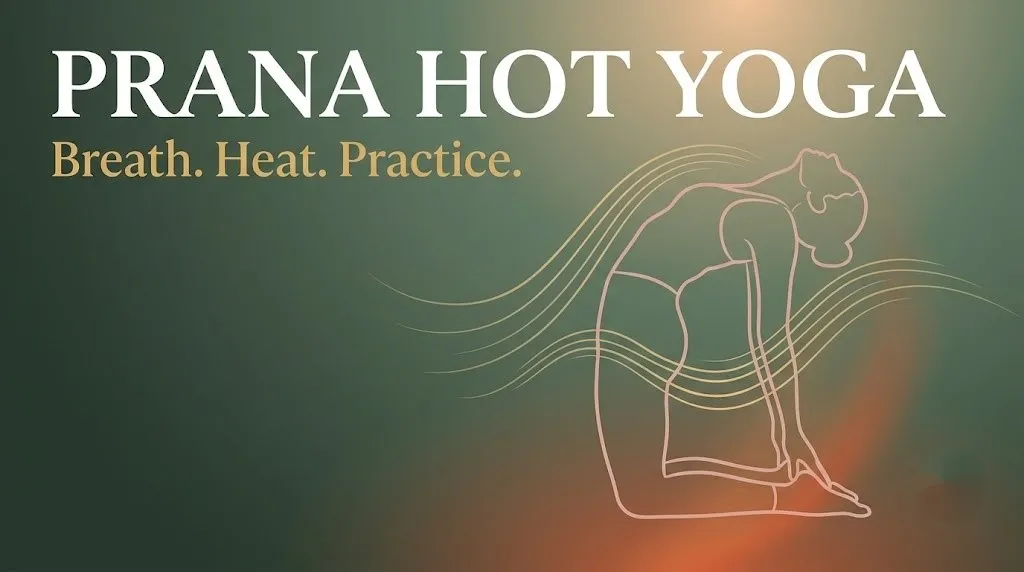
Prana hot yoga combines the ancient Sanskrit concept of prana (life force or breath energy) with the physical intensity of heated yoga practice, creating a class experience that works on both the body’s physiological systems and its energetic ones simultaneously. If you are considering your first heated yoga class or trying to understand how prana-based practice differs from standard hot yoga, this guide gives you the practical and scientific foundation you actually need.
The National Center for Complementary and Integrative Health (NCCIH) reports that yoga is practiced by more than 21 million Americans, with documented benefits spanning flexibility, pain management, stress reduction, and cardiovascular health. Prana-centered yoga approaches add a breathwork dimension that amplifies these benefits through specific physiological mechanisms worth understanding before you step onto the mat.
This article covers the meaning of prana and how it shapes the practice, the distinctions between related styles including pranatonic yoga and golden yoga, the class types you will encounter, what the heat does to your body, and exactly how to prepare safely for your first class.
What Is Prana Hot Yoga?
Prana hot yoga is a heated yoga practice that places the regulation and cultivation of prana (breath energy or life force) at the center of every class, rather than treating the breath as a secondary feature of a fitness-oriented workout.
The “prana” in the name is not decorative. It signals a teaching approach where breath control, breath awareness, and the ancient concept of prana as the animating force behind physical movement are treated as the primary tools of the practice. Poses are taught as vehicles for breath, not the other way around.
In heated yoga settings, this breath-first philosophy matters more than it does at room temperature. The heat raises cardiovascular demand before you begin moving. Managing that demand effectively requires conscious, deliberate breath regulation. A prana-centered approach trains you to do exactly that from your first class onward.
Quick reference:
| Feature | Details |
|---|---|
| Core Philosophy | Breath as primary practice tool; prana cultivation |
| Class Temperature | Typically 90 to 105 degrees Fahrenheit |
| Class Length | 60 or 90 minutes |
| Breath Technique | Ujjayi pranayama primary; others vary by format |
| Class Formats | Vinyasa, Hatha, Yin, Restorative, sculpt variations |
| Experience Level | All levels, including complete beginners |
What Is Prana in Yoga: The Meaning Behind the Name
Prana is the Sanskrit word for life force, vital breath, or the animating energy that underlies all living systems, and in yoga, it refers specifically to the breath as the most accessible and controllable expression of that life force.
The concept predates modern yoga by thousands of years. In the classical texts of yoga philosophy, including the Yoga Sutras and the Hatha Yoga Pradipika, prana is described as the bridge between the physical body and the more subtle energetic dimensions of experience. Breath is the one function of the body that operates both automatically and voluntarily, which is why yogic traditions treat it as the primary entry point for influencing both the physical and mental states.
In practical terms, working with prana means working with the breath: its depth, its rhythm, its quality, and its relationship to movement. When a teacher cues “inhale to expand, exhale to release,” that instruction is not metaphorical. It reflects the anatomical reality that inhalation expands the thoracic cavity and increases spinal length, while exhalation releases tension in the abdominal wall and facilitates deeper ranges of motion in forward folds and twists.
Why prana awareness matters in a heated yoga room:
- Heat raises resting heart rate before movement begins, making conscious breath regulation immediately necessary
- Breath quality directly affects how efficiently the body manages thermal load
- Shallow, rapid breathing in heat amplifies perceived exertion and reduces endurance
- Slow, deep nasal breathing supports vagal tone and reduces stress hormone output even during intense physical demand
- Prana awareness gives practitioners a self-monitoring tool that works regardless of pose difficulty
Pranatonic Yoga: What It Is and How It Differs
Pranatonic yoga is a specific yoga methodology that combines pranayama (breath practices), tonic muscle engagement, and sequenced postures to create an internally activating practice that strengthens both the respiratory system and the postural musculature simultaneously.
The word “pranatonic” merges prana (breath energy) with “tonic,” referring to sustained low-level muscle engagement rather than burst-effort contractions. In practice, this means holding poses with deliberate muscular activation throughout, maintaining a quality of inner tone while the breath flows freely. It differs from standard heated Vinyasa in its emphasis on sustained engagement rather than continuous flow and transition.
Pranatonic yoga is not the same as prana hot yoga. Prana hot yoga describes any heated yoga practice that centers breath awareness. Pranatonic yoga is a specific structured methodology with defined principles around breath-tonic engagement. A prana hot yoga studio may or may not offer classes specifically labeled as pranatonic. Understanding the distinction prevents confusion when reading class schedules.
Prana hot yoga vs pranatonic yoga:
| Feature | Prana Hot Yoga | Pranatonic Yoga |
|---|---|---|
| Definition | Heated yoga with breath as primary focus | Specific methodology: breath plus tonic engagement |
| Pace | Varies by class format | Moderate; emphasis on sustained holds |
| Muscle Engagement | Varies by teacher | Deliberate, sustained low-level tonic activation |
| Breath Focus | Central in all classes | Structurally integrated into every pose |
| Heat Required | Yes, core feature | Not always; can be practiced at room temperature |
| Best For | Broad population, all levels | Practitioners seeking precise breath-body integration |
Modification note: Pranatonic classes may feel deceptively gentle at first. The sustained tonic engagement accumulates over a 60-minute session. Beginners should reduce the intensity of the muscular engagement rather than forcing full activation from the first class.
Key Takeaway: Prana hot yoga is the broad category of breath-centered heated yoga, while pranatonic yoga is a specific methodology combining sustained muscle tone with structured breath; they share roots but are not interchangeable terms.
Golden Yoga: Understanding the Practice
Golden yoga is a yoga approach that incorporates principles of sacred geometry, specifically the golden ratio (approximately 1.618), into pose proportions, sequence timing, and spatial awareness within the practice, distinguishing it from standard sequenced yoga formats.
The golden ratio, known mathematically as phi, appears throughout natural structures: the spiral of a nautilus shell, the branching of a tree, the proportions of the human body. Golden yoga teachers apply this ratio to the design of pose transitions and hold durations, creating sequences that feel inherently balanced and proportionate rather than arbitrary.
In practice, golden yoga often involves longer hold times in specific poses, deliberate attention to body proportions and alignment relationships, and sequences that move through complementary poses in ratio-informed progression. It is not a heated practice by definition, though some studios offer golden yoga in a mildly heated room.
The relationship between golden yoga and prana hot yoga is conceptual rather than direct. Both practices emphasize internal awareness and the quality of engagement over the quantity of poses. Both treat the body as a sophisticated system rather than a shape to be forced. Practitioners drawn to prana hot yoga’s breath-first philosophy often find golden yoga’s precision-based approach a complementary study.
Key distinctions for golden yoga:
- Grounded in sacred geometry principles, specifically the golden ratio
- Applies mathematical proportion to timing and transition design
- Not inherently a heated practice
- Emphasizes spatial awareness and body proportion
- Pairs well with pranayama-focused practices as a complementary methodology
- Less widely taught than mainstream yoga styles; availability varies by region
Prana Hot Yoga Class Types Explained
Prana hot yoga studios typically offer multiple heated class formats, each emphasizing breath cultivation within a different physical structure, from flowing dynamic sequences to long-hold passive practices.
The range of class types matters because different formats serve different bodies and goals. A practitioner managing chronic stress may benefit most from a breath-focused Restorative class at lower heat. An athlete seeking mobility alongside strength will find more value in a heated Vinyasa or prana-informed Hatha class. Neither choice is superior. The right class is the one that matches what your system needs on a given day.
Most prana hot yoga studios structure their schedule around a core set of heated formats with varying degrees of breath emphasis in each. The common thread across all formats in a prana-based studio is the teacher’s instruction on breath: when to breathe, how deeply, and how the breath changes the quality of each pose.
Prana hot yoga class format guide:
| Class Format | Temperature | Duration | Breath Focus | Best For |
|---|---|---|---|---|
| Prana Vinyasa | 90 to 100 F | 60 to 75 min | Breath-linked movement | Active practitioners, strength and flexibility |
| Hatha Prana | 85 to 95 F | 60 min | Held poses with breath awareness | Beginners, alignment-focused practitioners |
| Yin Prana | 80 to 90 F | 60 to 90 min | Long exhale emphasis, surrender breath | Connective tissue, deep release |
| Restorative Prana | 80 to 88 F | 60 to 75 min | Parasympathetic breath, slow natural rhythm | Stress recovery, nervous system reset |
| Prana Sculpt | 90 to 95 F | 60 min | Breath with resistance and strength | Fitness-oriented, muscular endurance |
| Beginner Prana | 85 to 90 F | 60 min | Introduction to Ujjayi breath | First-timers, all bodies |
Hot Yoga vs Regular Yoga: What Actually Changes?
Hot yoga and room-temperature yoga share the same poses, the same breath foundations, and the same philosophical principles, but the heated environment creates distinct physiological changes that make the experience categorically different rather than simply warmer.
In a standard unheated class, your body warms gradually through movement. In a heated class, the room pre-warms your connective tissue from the moment you enter. Synovial fluid in the joints becomes less viscous under heat, improving joint glide. Collagen-rich connective tissue becomes more extensible. These changes happen before your first pose begins.
The cardiovascular dimension changes too. According to the American College of Sports Medicine, exercising in high ambient heat elevates heart rate by 10 to 30 beats per minute above what the same exercise produces at room temperature. This adds a cardiovascular training component to the practice that room-temperature yoga does not replicate in the same way.
Hot yoga vs regular yoga at a glance:
| Variable | Hot Yoga | Regular Yoga |
|---|---|---|
| Room Temperature | 85 to 105 F | 68 to 75 F |
| Joint Warm-Up | Room pre-warms joints | Progressive warm-up through movement |
| Cardiovascular Demand | Elevated, 10 to 30 BPM higher | Moderate, style-dependent |
| Sweat Output | High to very high | Minimal to moderate |
| Flexibility Access | Faster but caution needed | Gradual, more structurally conservative |
| Breath Regulation Need | High; heat demands conscious breath | Moderate |
| Hydration Requirement | High, pre- and post-class | Moderate |
Modification: First-timers coming from a room-temperature yoga background should reduce their expected intensity by about 30 percent in their first heated class. The room does physical work on you before movement begins.
Key Takeaway: The hot room pre-warms your joints and raises your heart rate before you move a single inch, which means the breath becomes your most important tool from the moment you enter the studio door.
The Five Pranas (Vayus): How Breath Energy Maps to the Body
The five pranas, called vayus in Sanskrit (meaning “winds” or “currents”), are the five directional flows of prana energy described in classical yoga philosophy, each governing specific physiological and energetic functions in the body.
Understanding the vayus gives prana hot yoga its conceptual depth and its practical value. Rather than treating prana as a vague spiritual concept, the vayu framework maps specific breath and movement qualities to specific body regions and functions. This makes it directly applicable to how you practice on the mat.
The five vayus and their primary functions:
- Prana Vayu: Upward and inward movement; governs inhalation, reception, and the heart and lungs. This is the primary upward-drawing force activated in chest-opening poses and inhalation.
- Apana Vayu: Downward and outward movement; governs exhalation, elimination, and the lower pelvis. Activated in forward folds, grounding poses, and the exhale phase of all movements.
- Samana Vayu: Equalizing, centering movement; governs digestion and assimilation. Most active in core-centered poses and the pause between inhale and exhale.
- Vyana Vayu: Expansive, pervasive movement; governs circulation and the movement of energy throughout the entire body. Active in arm-extending poses and Warrior sequences.
- Udana Vayu: Upward-moving speech and expression energy; governs the throat, growth, and upward movement. Active in Ustrasana (Camel Pose), Matsyasana (Fish Pose), and throat-opening shapes.
In a prana hot yoga class, a skilled teacher may cue poses by their vayu association, connecting the anatomical action to the energetic intention. This is not mysticism. It is a structured framework for understanding which direction the body and breath are moving in any given moment.
Ujjayi Pranayama in Hot Yoga: The Breath That Changes Everything
Ujjayi pranayama (victorious breath, also called ocean breath) is the primary breath technique used in most prana hot yoga formats, and it is the single most important skill a practitioner can develop for managing the physical and mental demands of a heated class.
Ujjayi is practiced by breathing through the nose while creating a slight constriction at the back of the throat, specifically at the glottis. The result is a soft, audible sound, often described as ocean waves or Darth Vader breathing. This constriction is deliberate and controlled. It slows the breath rate, increases the resistance of each breath, and creates a feedback loop: when you can hear your own breath, you know it is flowing.
The physiological effects of Ujjayi in a heated room are substantial and well-documented in the breathwork literature. Slow nasal breathing with mild resistance activates the vagus nerve, which runs from the brainstem through the chest and into the abdomen. Vagal activation shifts the autonomic nervous system toward parasympathetic dominance, reducing circulating cortisol and lowering perceived exertion even while the cardiovascular system is working hard. Think of Ujjayi as a volume dial for your stress response, turning it down in real time.
To practice Ujjayi pranayama:
- Sit comfortably or lie in Savasana (Corpse Pose). Close the mouth.
- Breathe in through the nose. On the exhale, try to fog a mirror through your nose only. Feel the slight throat constriction.
- Once the throat constriction is familiar, apply it to both the inhale and exhale.
- The breath should be audible to you but not to someone across the room.
- Hold this quality of breath through 5 to 10 full breath cycles before entering your first pose.
Modification: If the throat constriction creates tension in the neck or jaw, soften the grip significantly. The constriction should feel like a whisper, not a squeeze.
Hot Yoga Benefits for Body and Mind
Hot yoga produces a well-documented range of physical and mental health benefits, and the research base supporting these outcomes now spans several decades of peer-reviewed study.
A study published in the Journal of Alternative and Complementary Medicine found that participants completing an 8-week Bikram yoga program showed measurable improvements in lower body strength, spinal flexibility, and standing balance compared to a non-practicing control group. Improvements were consistent across age groups, with adults over 40 showing particularly notable gains in lumbar range of motion.
Research in Complementary Therapies in Medicine documented body composition improvements over a 12-week hot yoga program, including reductions in body fat percentage and improvements in lean mass distribution in a diverse adult participant group. These outcomes were modest but statistically reliable across the study population.
Evidence-supported benefits of regular hot yoga practice:
- Improved spinal and hamstring flexibility after 8 weeks of consistent practice
- Moderate cardiovascular conditioning comparable to brisk walking or light cycling
- Reduced perceived stress and lower post-session cortisol levels
- Improved postural balance and proprioception with regular attendance
- Reduced chronic lower back pain intensity
- Enhanced mood regulation and reduced anxiety symptoms in adults with mild presentations
- Body composition improvements over 12 or more weeks of consistent practice
One honest framing: these benefits are documented in research involving generally healthy adults who practice regularly. Occasional attendance produces occasional results. Consistent practice is what the evidence actually supports.
Key Takeaway: Hot yoga’s research-supported benefits, including flexibility gains, stress reduction, and body composition changes, all require consistent practice over weeks and months, not a single impressive session.
Hot Yoga for Flexibility: What Research Shows
Hot yoga improves flexibility through a specific, well-understood physiological process: elevated ambient temperature increases the extensibility of collagen-rich connective tissue, allowing greater range of motion at any given moment and facilitating more efficient structural adaptation over time.
The analogy that works best here is a wax candle. Cold wax is brittle and snaps under pressure. Warmed wax bends smoothly and holds a new shape. Your fascia, tendons, and ligaments respond to warmth along similar principles. The hot room creates a baseline extensibility that room-temperature practice does not provide from the opening moments.
The International Journal of Yoga published research showing that 8 weeks of consistent hot yoga practice produced lasting improvements in hamstring flexibility, shoulder mobility, and spinal extension range that persisted at a 4-week post-program follow-up assessment. The improvements were not temporary heat artifacts. They reflected genuine structural adaptation from repeated stretch stimulus over time.
Primary flexibility targets in prana hot yoga:
- Hamstrings: forward folds, Paschimottanasana (Seated Forward Fold), standing stretch sequences
- Hip flexors (iliopsoas): lunge variations, Virabhadrasana I (Warrior I), Anjaneyasana (Low Lunge)
- Thoracic spine: backbend progressions, Ustrasana (Camel Pose), Setu Bandhasana (Bridge Pose)
- Hip external rotators: Baddha Konasana (Bound Angle Pose), Yin hip sequences
- Shoulder girdle: arm binds, Garudasana (Eagle Pose) arms, chest-opening variations
Modification for hypermobile practitioners: If natural flexibility is not the issue, use the breath and muscular engagement as the quality markers for each pose rather than depth of range. The heat amplifies passive range considerably. Hypermobile bodies are most at risk in hot yoga when they push to anatomical end range without muscular support.
Hot Yoga for Stress Relief and Mental Health
Hot yoga reduces stress through two mechanisms that reinforce each other within every single class: the documented cortisol-lowering effect of yoga practice, and the focused present-moment attention that managing physical challenge in heat demands.
According to the NCCIH, yoga practice consistently activates the parasympathetic nervous system, reducing circulating cortisol and lowering the body’s stress-response signaling. In a heated room, the additional demand of managing temperature and sweat forces a quality of concentration that room-temperature practice does not require in the same way. You cannot simultaneously worry about your inbox and regulate your Ujjayi breath in 100-degree heat.
The prana dimension adds a third mechanism. When practitioners consciously work with breath quality, noticing the depth, the rhythm, and the relationship between breath and movement, they are engaging the interoceptive nervous system. Research published in the Journal of Alternative and Complementary Medicine found that yoga programs emphasizing breath awareness produced greater reductions in anxiety and depressive symptoms compared to movement-only yoga programs across an 8-week period.
Mental health outcomes with research support:
- Reduced trait anxiety after 8 weeks of consistent breath-centered yoga practice
- Lower post-session cortisol levels measured in salivary samples
- Improved sleep quality with regular yoga attendance
- Enhanced mood regulation in adults with mild to moderate depressive symptoms
- Greater self-reported body awareness and capacity for emotional regulation
Practical recommendation: For stress relief as the primary goal, a Restorative or lower-temperature Yin class optimizes the parasympathetic shift. A high-intensity prana Vinyasa produces stress reduction through the post-exertion recovery phase, which is a different and slower mechanism.
Hot Yoga for Back Pain: Poses That Help Most
Hot yoga reduces chronic lower back pain by addressing three contributing factors simultaneously: core stabilizer strengthening, hip flexor lengthening, and stress-driven tension reduction through the parasympathetic nervous system.
Research published in Complementary Therapies in Medicine found that yoga practice consistently reduced pain intensity and functional disability in adults with chronic non-specific lower back pain. The heat in a hot yoga context adds the additional benefit of pre-warming the lumbar musculature and the thoracolumbar fascia, reducing the protective guarding that often limits range of motion in people with chronic back pain.
The poses most useful for lower back care in a prana hot yoga context all share a common thread: they work with the breath to create either decompression, lengthening, or stabilization in the lumbar region. Understanding which poses do which helps you communicate with your teacher about what your body actually needs.
Key poses for lower back care in hot yoga:
- Balasana (Child’s Pose): Gentle lumbar flexion; decompresses the lower spine. Rest position between active poses.
- Setu Bandhasana (Bridge Pose): Strengthens glutes and hamstrings; reduces chronic lumbar compression.
- Anjaneyasana (Low Lunge): Lengthens the iliopsoas; reduces anterior pelvic tilt that strains lumbar discs.
- Marjaryasana and Bitilasana (Cat and Cow Poses): Rhythmic lumbar flexion and extension; warms and mobilizes spinal discs before active work.
- Supta Matsyendrasana (Supine Spinal Twist): Mobilizes thoracic and lumbar rotation; releases erector spinae tension.
- Adho Mukha Svanasana (Downward Facing Dog): Decompresses the entire spine through gravity; lengthens the posterior chain.
Safety caution: People with diagnosed lumbar disc herniation, spondylolisthesis, or spinal stenosis should discuss specific pose restrictions with a physical therapist before attending a general hot yoga class, because not all back-care poses are appropriate for all back conditions.
Key Takeaway: Hot yoga helps lower back pain most effectively through the combination of hip flexor lengthening, glute and core strengthening, and the heat-assisted release of chronic lumbar tension, but the specific poses matter, and a qualified teacher needs to know your condition.
What to Expect at Your First Prana Hot Yoga Class
Your first prana hot yoga class will feel more physically demanding than expected, and most of that added demand will come from the heat rather than the complexity of the poses.
Arrive 10 to 15 minutes early. The studio room is already heated when you enter. Do not rush to begin moving. Lie down in Savasana (Corpse Pose) and let your body acclimate for several minutes before class begins. This pre-class window gives your cardiovascular system time to adjust to the ambient temperature before you add the demand of movement.
Your teacher will introduce Ujjayi breath at or near the start of class. Pay close attention to this instruction. The Ujjayi breath is not incidental. It is the primary tool you have for managing the physical experience of the heated room throughout the entire class. Practitioners who lose the breath tend to feel overwhelmed by the heat. Practitioners who keep the breath tend to find the heat supportive rather than punishing.
What to expect by class stage:
| Stage | What Typically Happens |
|---|---|
| Pre-class | Acclimate in Savasana. Introduce yourself to the teacher. |
| Opening sequence | Ujjayi breath instruction, centering, gentle spinal warm-up. |
| Standing sequence | Main poses, balance work, heat peaks here. Rest as needed. |
| Floor sequence | Core work, hip openers, backbends, spinal twists. |
| Savasana | 5 to 10 minutes of complete rest. Non-negotiable. |
| Post-class | Allow 5 minutes before leaving. Let the nervous system settle. |
First-class practical note: Tell the teacher it is your first class before it starts. A skilled prana yoga teacher will check in with you during class and adjust cues based on what they observe.
What to Bring to Hot Yoga: Full Preparation Checklist
Arriving at prana hot yoga with the right gear makes the difference between an experience that feels manageable and one that feels chaotic and uncomfortable.
The single most important item is a yoga-specific grip towel. This is not a regular bath towel. A yoga grip towel is designed to increase in grip as it absorbs sweat, laying across your mat to provide a stable surface for standing and balance poses. A standard bath towel slides under wet feet and creates genuine fall risk. Do not substitute one for the other.
Your insulated water bottle, holding at least 24 to 32 ounces, is the second non-negotiable item. The American College of Sports Medicine recommends drinking 17 to 20 ounces of water two to three hours before exercise in hot conditions, with continued intake during and after the session. For a 60 to 90-minute prana hot yoga class, plan for 32 to 40 ounces total intake across the full preparation and recovery window.
Complete prana hot yoga packing checklist:
- Yoga mat (non-slip; studio rentals available if needed)
- Yoga grip towel (full mat length; essential for safety)
- Insulated water bottle, 24 to 32 ounces minimum
- Electrolyte supplement or drink for post-class recovery
- Moisture-wicking clothing: fitted shorts, lightweight top; avoid heavy cotton
- Hair tie if applicable; loose hair interferes with balance and focus
- Change of clothes for after class; practice clothes will be saturated
- Small hand towel for wiping face and hands between poses
- Light snack eaten 1.5 to 2 hours before class, not immediately before
Skip: Fragrances and strong scented products. Many yoga studios request fragrance-free attendance to protect practitioners with chemical sensitivities in an enclosed heated space.
Hot Yoga Hydration Tips That Actually Work
Effective hydration for prana hot yoga begins the evening before class, not in the studio parking lot. Pre-class hydration is the most consistently neglected preparation variable, and it is the one that determines whether your body can actually manage the thermal load effectively.
Sweat output during a 60 to 90-minute hot yoga session varies from approximately 0.5 to 3 liters depending on individual sweat rate, room temperature, body size, and humidity. Losing just 2 percent of body weight through sweat measurably impairs physical performance and cognitive function, according to the American College of Sports Medicine. For a 160-pound person, that threshold is reached at just over 3 pounds of fluid loss.
Replacing fluid volume without replacing electrolytes creates its own problem. Heavy sweating removes sodium, potassium, and magnesium from the body. Drinking large volumes of plain water without replacing these minerals can produce hyponatremia (low blood sodium), a condition more commonly seen in practitioners who drink aggressively during and after class without any electrolyte replacement.
Prana hot yoga hydration timeline:
- Evening before class: Drink 16 to 24 ounces of water with dinner. Limit alcohol.
- Morning of class (2 to 3 hours before): Drink 16 to 20 ounces. Add an electrolyte packet for heavy sweaters.
- 30 minutes before class: Drink 8 ounces maximum. Avoid a full stomach in a heated room.
- During class: Sip 4 to 8 ounces every 15 to 20 minutes. Small, consistent amounts only.
- Immediately post-class: Drink 8 to 16 ounces within 10 minutes. Include electrolytes.
- Rest of the day: Monitor urine color. Pale yellow means adequate. Dark yellow means drink more.
Is Hot Yoga Safe: What the Research Says
Hot yoga is safe for most healthy adults who prepare appropriately, pace themselves honestly, and respond to the body’s signals throughout every session.
A study published in the Journal of Alternative and Complementary Medicine followed healthy adults through a standard 90-minute Bikram yoga session and documented no adverse cardiovascular events. Average core body temperature reached approximately 103 degrees Fahrenheit during class, which is within the manageable range for healthy thermoregulation. The key variable was preparation: participants who arrived well-hydrated showed no clinically concerning cardiovascular changes.
The safety profile changes meaningfully for individuals with certain health conditions. The cardiovascular demand of a 95 to 105-degree room is comparable to moderate aerobic exercise layered onto an elevated resting heart rate from heat exposure. For healthy adults, this is manageable with preparation. For people with compromised cardiac function, uncontrolled hypertension, or specific neurological conditions, the same demand represents genuine risk.
Safety conditions that must be met before every class:
- Urine is pale yellow, indicating adequate hydration
- Last meal was 1.5 to 2 hours ago, not immediately before class
- No alcohol consumed in the 4 to 6 hours before practice
- No current fever, active illness, or acute infection
- You are willing to rest or exit if the body signals distress
- You have disclosed relevant health conditions to the teacher
Hot Yoga Contraindications and Who Should Avoid It
Hot yoga is not appropriate for everyone, and the specific health conditions that create genuine risk deserve clear, named explanation rather than a generic “be careful if you have health issues” disclaimer.
People with cardiovascular disease, uncontrolled hypertension, or a recent cardiac event should discuss the specific exercise intensity limits of hot yoga with a cardiologist before attending any heated class. The cardiovascular load in a 100 to 105-degree room is real, documented, and not trivially different from what a compromised cardiac system can safely manage.
Pregnant individuals, particularly beyond the early first trimester, should avoid rooms heated above 90 degrees Fahrenheit. Elevated maternal core body temperature during fetal development is associated with documented risks to neural tube formation, as referenced in guidelines from the American College of Obstetricians and Gynecologists. Prenatal yoga in a room-temperature or mildly warmed environment is the appropriate alternative.
Who should avoid hot yoga or approach it with specific medical guidance:
| Condition | Recommendation |
|---|---|
| Cardiovascular disease or recent cardiac event | Avoid until cleared by a cardiologist |
| Uncontrolled hypertension | Avoid until blood pressure is medically stable |
| Pregnancy (second and third trimester especially) | Avoid rooms above 90 F; use prenatal yoga instead |
| Multiple sclerosis | Avoid; heat worsens MS symptoms via Uhthoff’s phenomenon |
| Active fever or current illness | Avoid; heat compounds immune system load |
| History of heat stroke | Discuss with a physician; thermoregulation may be permanently affected |
| Eating disorders with electrolyte instability | Avoid; sweat losses compound existing mineral imbalance |
| Raynaud’s disease or heat intolerance conditions | Individual assessment needed; lower-temperature formats only |
How Often Should You Do Hot Yoga to See Results?
Most yoga teachers and physical therapists generally recommend starting prana hot yoga one to two times per week for the first month, allowing the body to adapt to the heat stress and the breath techniques before increasing frequency.
The research-supported window for producing lasting flexibility, strength, and mental health improvements is consistent practice over at least 8 weeks. That finding appears across multiple study formats in the yoga research literature. Consistency over that 8-week window matters more than the number of weekly sessions, provided a minimum of two per week is maintained.
For practitioners who have been attending regularly for two to three months, three to four sessions per week is a productive and sustainable frequency. Experienced daily practitioners maintain that frequency most safely by varying intensity across the week: alternating between demanding prana Vinyasa or sculpt classes and lower-intensity Restorative or Yin sessions rather than repeating the same high-demand format every single day.
Hot yoga frequency guide:
| Experience Level | Recommended Frequency | Notes |
|---|---|---|
| True beginner, month one | 1 to 2 times per week | 48 hours between sessions; beginner format preferred |
| Building practitioner, months two to three | 2 to 3 times per week | Mix class intensities; include one Yin or Restorative |
| Regular practitioner, three months plus | 3 to 4 times per week | Vary formats consistently |
| Advanced, experienced | Up to daily | Alternate high and low intensity; monitor recovery closely |
One practical note: The Ujjayi breath and the prana awareness cultivated in class become more accessible with repetition. The more often you practice, the more automatic the breath regulation becomes, which is when the practice starts to feel genuinely restorative rather than simply challenging.
Frequently Asked Questions About Prana Hot Yoga
What is prana hot yoga and how is it different from regular hot yoga?
Prana hot yoga is a heated yoga practice that places conscious breath cultivation and prana (life force) awareness at the center of every class, rather than treating the breath as a secondary feature of a physical workout.
Regular hot yoga may use the same heated room and similar poses without the same depth of instruction around breath quality, energetic awareness, or the philosophical framework of the five vayus.
The difference shows up most clearly in how teachers cue: prana hot yoga teachers connect every movement instruction to a breath direction and a body region, whereas general hot yoga classes may focus primarily on physical alignment.
What is pranatonic yoga and is it the same as prana hot yoga?
Pranatonic yoga is a specific methodology that combines pranayama (breath practices) with sustained tonic muscle engagement in structured poses; it is not the same as prana hot yoga.
Prana hot yoga is the broader category of breath-centered heated yoga, while pranatonic yoga is a defined system with specific principles around how the breath and muscular tone interact throughout a class.
A studio offering prana hot yoga may or may not include pranatonic classes on its schedule, so checking the specific class descriptions before booking is worth the extra step.
What should I bring to my first prana hot yoga class?
Bring a yoga mat, a yoga-specific grip towel, an insulated water bottle with at least 24 to 32 ounces of water, moisture-wicking clothing, and a change of clothes for after class.
The grip towel is the most important item: it prevents your mat from becoming slippery once sweating begins, which is a genuine safety concern in standing balance poses.
An electrolyte drink for post-class recovery is worth adding to your bag, particularly if you are attending in warm weather or plan to practice more than once in a day.
Is hot yoga safe if I have never done yoga before?
Hot yoga is generally safe for healthy beginners who arrive well-hydrated, choose a beginner-designated class, and communicate openly with the teacher before class begins.
The main risks for first-timers are dehydration, pushing too far into poses because the heat creates a false sense of flexibility, and ignoring early heat stress signals like pronounced lightheadedness or nausea.
Telling the teacher it is your first class is the most practical safety step you can take, as it allows them to monitor your form and offer real-time modifications throughout the session.
How long does it take to see results from hot yoga practice?
Research published in the International Journal of Yoga found measurable improvements in flexibility, strength, and balance in participants who practiced consistently for 8 weeks, attending approximately two sessions per week.
The mental health benefits, including reduced anxiety and improved mood, appear earlier, with some studies documenting improvements in self-reported stress after just 4 weeks of twice-weekly practice.
Lasting body composition changes require a minimum of 12 weeks of consistent practice, based on research published in Complementary Therapies in Medicine.
Wrapping Up
Start with the breath. Before your first class, practice Ujjayi pranayama for five minutes at home. Get familiar with the sound, the rhythm, and the throat sensation. When you walk into the heated room for the first time, that breath is the tool you will reach for most.
Book a beginner-designated class. Bring your grip towel and a full water bottle. Tell the teacher it is your first time.
Two sessions per week for your first month. Keep the Ujjayi breath moving through every pose you attempt. The breath is the practice. Everything else follows from it.