Yoga in Durango CO: Styles, Benefits & How to Start
Yoga in Durango, Colorado offers something genuinely different from what you’ll find in flatland cities: mountain air, a tight-knit outdoor community, and studios that understand the physical demands of a high-elevation, active lifestyle. Whether you’re a local looking for your first class or a visitor wanting to maintain your practice while traveling, Durango’s yoga scene has real options worth understanding before you walk in.
The National Center for Complementary and Integrative Health (NCCIH) reports that yoga is practiced by more than 21 million adults in the United States, and that number continues to grow. For active, outdoor-oriented communities like Durango, yoga offers a direct physical complement to hiking, mountain biking, skiing, and trail running.
This guide covers the yoga styles you’ll encounter in Durango, what practicing at 6,512 feet above sea level actually means for your body, who benefits from which styles, and exactly what to bring on day one. You’ll have real, usable information before you ever unroll a mat.
Yoga in Durango CO: What the Scene Looks Like in 2026
Yoga in Durango, CO is centered around a small but well-established community of studios offering multiple styles, with strong participation from the area’s outdoor recreation population. The city’s active culture means most studios serve a broad range of practitioners: athletes cross-training between seasons, seniors maintaining mobility, and newcomers stepping onto the mat for the first time.
Durango sits at approximately 6,512 feet above sea level in the San Juan Mountains of southwestern Colorado. That elevation is not a detail you can ignore when choosing a yoga class or building a home practice. Breath is different here. Recovery is slower. The body works harder at rest than it does at sea level.
The yoga community in Durango reflects the region’s outdoor identity. Classes here tend to be practical, grounded, and accessible. Studios that serve hikers and mountain athletes have built programming around functional flexibility and injury prevention, not just aesthetics.
Yoga styles commonly available in Durango studios include:
- Hatha yoga: foundational postures held at a steady pace
- Vinyasa yoga: breath-linked movement sequences
- Restorative yoga: passive, prop-supported rest poses
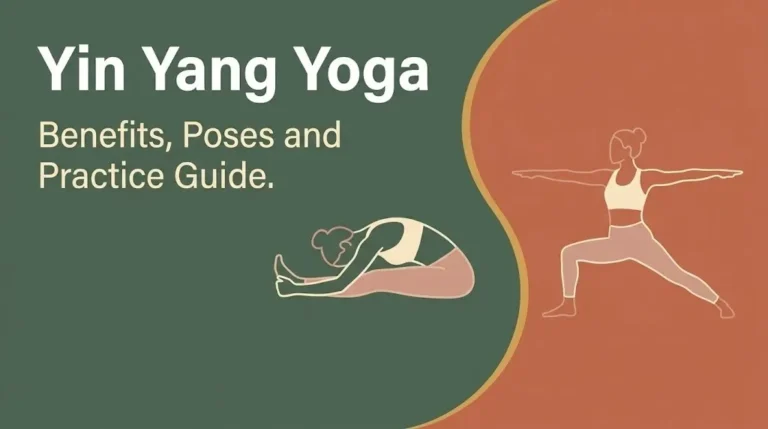
- Yin yoga: long-hold poses targeting connective tissue
- Aerial and specialty formats: offered at select studios
What you won’t find here is the kind of oversaturated, trend-chasing studio culture of larger metros. That’s a feature, not a gap.
Best Yoga Studios in Durango CO: What to Look For
The best yoga studios in Durango CO are those that list instructor credentials transparently, specify the style and temperature of each class, and offer a genuine new-student introduction period. Marketing copy alone tells you nothing useful. Specific information tells you everything.
When comparing studios in Durango, ask direct questions before committing to a membership or class package. Reputable studios welcome this.
| What to Ask | Why It Matters |
|---|---|
| Are instructors Yoga Alliance registered? | Ensures a minimum standard of teacher training (200 or 500 hours) |
| What style is each class? | Hatha and Vinyasa are very different experiences |
| What is the room temperature? | Heated classes require different preparation |
| Is there a new student offer? | Most studios offer 30-day intro rates |
| Are props included or rented? | Matters for beginners without gear |
| Are modifications offered in class? | Indicates whether the studio serves all bodies |
Yoga Alliance registration is worth checking specifically. Registered Yoga Teachers (RYT-200 or RYT-500) have completed documented training hours in anatomy, teaching methodology, and ethics. That credential is not a guarantee of quality, but it is a baseline worth verifying.
Studios that post their class descriptions with clear style labels, room conditions, and difficulty levels respect your time and your body. Start there.
Yoga Styles Available in Durango Colorado
Yoga styles in Durango Colorado range from the slow and foundational to the dynamic and aerobically demanding, and knowing the differences before you book prevents a mismatched experience. Each major style targets the body differently and suits different goals.
The styles you’ll most likely encounter in Durango studios are described here with honest comparisons:
| Style | Pace | Heat | Best For | Hold Duration |
|---|---|---|---|---|
| Hatha | Slow to moderate | Room temp | Beginners, all levels | 30 seconds to 2 minutes |
| Vinyasa | Moderate to fast | Room temp or warm | Athletes, intermediate | Breath-linked, 1 to 5 breaths |
| Yin | Very slow | Room temp | Flexibility, recovery | 3 to 7 minutes per pose |
| Restorative | Still | Room temp or slightly warm | Stress relief, injury recovery | 5 to 20 minutes per pose |
| Ashtanga | Fast, set sequence | Room temp | Advanced practitioners | Breath-linked throughout |
Yin yoga and Restorative yoga are frequently confused but are distinct practices. Yin applies moderate stress to connective tissue through long passive holds. Restorative uses props to remove all effort, allowing the nervous system to fully downregulate. Both belong in Durango practitioners’ rotations, especially during high-intensity outdoor seasons.
For most people new to yoga in Durango, a Hatha class is the most appropriate starting point. The slower pace allows the teacher to give alignment cues and the student to absorb them.
Key Takeaway: Durango’s yoga scene is practical and community-driven, built for active bodies at altitude. Knowing your style options before you book prevents you from landing in a 90-minute Vinyasa flow when your body needed a Restorative class.
Hatha Yoga in Durango: What It Is and Who It Suits
Hatha yoga is a broad style that uses individual postures held for several breaths at a slower, more deliberate pace than flow-based classes. It is the foundation from which most modern yoga styles developed, and it remains the most accessible entry point for new practitioners.
In a Hatha class in Durango, you’ll typically move through standing poses, seated poses, and floor-based postures with time for the teacher to offer individual alignment cues. Classes run 60 to 75 minutes at most studios. The pace allows your body to actually learn what each pose requires rather than just cycling through shapes.
Primary muscle groups engaged in a typical Hatha sequence include:
- Hip flexors and hamstrings: addressed in standing and forward fold poses
- Thoracic spine extensors: targeted in backbends and chest-opening poses
- Shoulder stabilizers: engaged in arm-balancing and weight-bearing positions
- Core stabilizers: active throughout as postural support
According to the International Journal of Yoga, regular Hatha yoga practice of three or more sessions per week is associated with improvements in balance, flexibility, and self-reported stress levels in adults across age groups.
Modification: If floor poses are uncomfortable due to knee or hip issues, place a folded blanket under the knees. In standing poses, use a block under the hands to reduce the range of motion required of the hamstrings.
Hatha yoga is an appropriate starting point for seniors, people returning from injury, and anyone who wants to build a physical foundation before exploring faster styles.
Vinyasa Yoga Durango: Flow, Breath, and Movement
Vinyasa yoga links breath directly to movement, creating a flowing sequence where each inhale and exhale drives a transition between poses. It’s the most common style in active communities like Durango, and for good reason: it builds cardiovascular endurance, muscular strength, and concentration simultaneously.
In a Vinyasa class, the sequence changes every session. There is no fixed script. The teacher designs the flow, which means each class offers a different physical and mental challenge. This variability suits experienced practitioners who want variety and athletes who enjoy the aerobic component.
A standard Vinyasa sequence in Durango might progress like this:
- Begin in Tadasana (Mountain Pose): feet hip-width, spine long, breath steady
- Move through Adho Mukha Svanasana (Downward-Facing Dog): press the floor away, lengthen through the spine
- Step or float to Virabhadrasana I (Warrior I): front knee at 90 degrees, hips square
- Transition to Virabhadrasana II (Warrior II): arms extended, gaze over front fingertips
- Flow through a sun salutation sequence, repeating on both sides
- Close with Savasana (Corpse Pose): minimum 5 minutes of still rest
The aerobic demand of Vinyasa yoga is real. At Durango’s elevation, that demand is amplified. Breathing through Ujjayi breath (Victorious Breath), a slightly constricted nasal breathing technique, helps regulate oxygen intake and keeps the nervous system from tipping into overwhelm during fast transitions.
Modification: Beginners or practitioners with wrist sensitivity can substitute a forearm plank for the standard plank position in sun salutations, reducing load on the wrist joints without losing the core engagement.
Restorative Yoga Durango: Rest as a Real Practice
Restorative yoga is a prop-supported, completely passive practice where the body is held in comfortable positions for extended periods, typically five to twenty minutes per pose, with no muscular effort required. The goal is full nervous system downregulation.
This is not “easy yoga.” It is precise yoga. The props do the work so your muscles don’t have to. A bolster under the spine, a blanket under the knees, and an eye pillow over the eyes creates the conditions for the parasympathetic nervous system to take over. That state is where tissue repair, stress hormone reduction, and deep recovery happen.
For Durango residents navigating high-output outdoor seasons, Restorative yoga fills a genuine gap. Hiking, skiing, mountain biking, and trail running all tax the sympathetic nervous system. Recovery requires more than passive rest on the couch.
A study published in the Journal of Alternative and Complementary Medicine found that restorative yoga practice was associated with reduced cortisol levels and improved sleep quality in adults experiencing work-related stress. These are measurable, physiological outcomes.
Key Restorative poses practiced in Durango studios include:
- Supta Baddha Konasana (Reclined Bound Angle Pose): bolster under spine, feet together, knees wide
- Viparita Karani (Legs Up the Wall Pose): hips at wall, legs vertical, arms relaxed
- Balasana (Child’s Pose): with bolster under the torso for full support
Modification: Any Restorative pose can be adapted for people with lower back sensitivity by slightly raising the bolster angle or placing a rolled blanket under the lumbar spine for support.
Key Takeaway: Vinyasa challenges your cardiovascular system and builds strength through movement. Restorative yoga recovers the nervous system that all that movement taxes. Durango’s active population needs both.
Yoga at Altitude in Durango: What Changes Above 6,000 Feet
Practicing yoga at altitude in Durango means your body is working in an environment with reduced oxygen availability, and that changes the breath, the heart rate, and the recovery time in ways that most studio websites in the area never mention. Durango sits at 6,512 feet above sea level. At that elevation, air contains roughly 78 to 80 percent of the oxygen available at sea level.
For visitors arriving from lower elevations, the first 24 to 72 hours at Durango’s altitude can involve mild symptoms: slightly elevated heart rate, faster breathing at rest, reduced exercise tolerance, and disrupted sleep. Yoga practice during this window requires adjustment.
What changes about yoga practice above 6,000 feet:
- Breath comes faster: Normal pranayama ratios feel harder. Ujjayi breath becomes more important, not less.
- Balance is slightly more challenged: Research in exercise physiology notes that altitude affects proprioception modestly, particularly in the first 48 hours.
- Heating poses increase demand: Hot yoga classes at altitude add heat stress to altitude stress. This combination requires extra caution and hydration.
- Recovery between poses takes longer: Allow slightly more time in transitions and in Savasana (Corpse Pose) at the end of class.
Pose Tip:
- Shorten breath holds in pranayama exercises until you’ve acclimatized to Durango’s elevation
- Reduce intensity in your first one or two classes if you’ve arrived from sea level within 48 hours
- Hydrate more than you think you need. Dry mountain air accelerates fluid loss through respiration
For locals, altitude acclimatization is built into daily life. For visitors, it takes three to seven days of gradual adjustment before yoga practice feels like it does at home.
Outdoor Yoga in Durango: Practicing in Mountain Air
Outdoor yoga in Durango takes advantage of one of the most naturally beautiful practice environments in the American Southwest. The Animas River corridor, local parks, and mesa-top overlooks all serve as seasonal practice locations for individual and group yoga sessions.
Practicing outdoors adds environmental variables that indoor studios control for. Sun angle changes throughout a session. Wind affects balance poses. Uneven ground challenges proprioception more actively than a flat studio floor. These aren’t problems. They are refinements that deepen body awareness in ways a controlled indoor environment can’t replicate.
Considerations for outdoor yoga in Durango:
- Surface: Practice on a level grassy area or a stable deck. Uneven terrain increases ankle instability risk in standing balances.
- Sun protection: Mountain UV exposure is higher than at sea level. Practice in morning light or shade when possible.
- Temperature shifts: Morning temperatures in Durango can drop significantly even in summer. Start with a longer warm-up than indoor practice requires.
- Wildlife awareness: In meadow or trailhead settings, stay alert. This is the San Juan Mountain region.
The NCCIH notes that nature-based physical activity enhances psychological restoration and reduces perceived stress beyond the benefits of the same activity performed indoors. Outdoor yoga in Durango captures both the physical benefits of the practice and the restorative effects of the environment simultaneously.
Modification: For outdoor practice on any surface, bring a thicker mat (at least 5mm) to buffer uneven ground, and use blocks under the hands in all forward folds where the hamstrings limit reach.
Key Takeaway: Altitude changes everything about how breath and recovery feel in a yoga class. Visitors should plan for one to two adjustment classes before expecting their normal practice capacity to translate at Durango’s elevation.
Yoga Benefits for Durango Residents and Visitors
Yoga offers documented physical and mental health benefits that are directly relevant to the active, mountain-town lifestyle most Durango residents and visitors are living. These aren’t vague wellness promises. They’re measurable outcomes supported by named research.
According to the NCCIH, regular yoga practice is associated with reduced chronic pain, improved mental health outcomes, better sleep quality, and enhanced physical function in adults across age groups. These findings come from systematic reviews of multiple studies, not single experiments.
Specific documented benefits include:
- Reduced lower back pain intensity and frequency (cited across multiple clinical trials in the Spine Journal)
- Improved hamstring and hip flexibility after six to eight weeks of consistent practice
- Lower self-reported anxiety scores in practitioners who attend class two or more times per week
- Better balance and reduced fall risk in adults over 60, per NCCIH-cited research
- Modest reductions in blood pressure with consistent practice over 12 weeks
Harvard T.H. Chan School of Public Health notes that yoga’s benefits for mental health appear to come through multiple pathways: reduced cortisol, improved sleep, increased mindfulness, and enhanced body awareness.
For Durango’s outdoor community specifically, the functional benefits include better hip mobility for hiking, improved thoracic rotation for skiing and mountain biking, and faster neuromuscular recovery between training sessions.
Yoga for Hikers and Athletes in Durango Colorado
Yoga for hikers and athletes in Durango addresses the specific muscular and structural imbalances that trail sports create over time. Hiking builds strong quads, glutes, and calves but consistently shortens the hip flexors and loads the IT band in ways that accumulate into chronic tightness and overuse injury if left unaddressed.
Think of your hip flexors after a long descent on a Durango trail like a rope that’s been held taut for six hours. They don’t simply release when you stop walking. They need targeted lengthening over time, and yoga does this more systematically than stretching alone.
Yoga poses that specifically benefit hikers and trail athletes:
- Virabhadrasana I (Warrior I): opens the hip flexors and psoas after descents and long climbs
- Paschimottanasana (Seated Forward Fold): lengthens hamstrings and calf muscles loaded by steep terrain
- Supta Baddha Konasana (Reclined Bound Angle Pose): releases the inner groin and adductors tightened by lateral trail movement
- Setu Bandha Sarvangasana (Bridge Pose): strengthens glutes and hamstrings as posterior chain balance to quad dominance
- Adho Mukha Svanasana (Downward-Facing Dog): decompresses the lumbar spine and lengthens the entire posterior chain
The American College of Sports Medicine notes that flexibility and mobility training reduce sport-related injury risk when practiced consistently alongside primary training. For athletes, yoga is not recovery theater. It is functional maintenance.
Modification: Athletes with tight hamstrings should use a block under the sitting bones in seated forward folds. This slight elevation neutralizes the pelvis and allows the hamstrings to release without the lumbar spine rounding in compensation.
Yoga for Beginners in Durango: Where and How to Start
Yoga for beginners in Durango means starting with a Hatha or clearly labeled “All Levels” class, not a general Vinyasa flow class that assumes foundational knowledge. The label matters enormously.
Many first-time yoga students in Durango walk into a Vinyasa class expecting a gentle introduction and leave frustrated because the pace assumed they already knew the poses. A Hatha class or a studio’s specific beginner program solves this entirely.
How to start yoga in Durango as a complete beginner:
- Choose a studio with a posted beginner program or introductory class series
- Book a Hatha or “Foundations” class rather than a general flow class
- Arrive ten minutes early and introduce yourself to the teacher
- Tell the teacher about any injuries, conditions, or mobility limitations
- Set up near the teacher’s eye line, not in the far back corner where cues get lost
- Plan to rest in Balasana (Child’s Pose) whenever a pose feels beyond your current range
- Stay for the full Savasana (Corpse Pose) at the end. This is not optional napping. It is active nervous system integration.
According to the International Journal of Yoga, beginners who attend class at least twice per week for the first eight weeks retain the practice significantly more often than those who attend once weekly. Consistency early on matters more than frequency later.
Modification: For beginners with limited floor mobility, many Durango studios offer chair-supported versions of standing poses. Ask specifically whether chair yoga options are available when booking.
Key Takeaway: Beginners should start with Hatha or a labeled beginner class. Twice-weekly attendance in the first eight weeks builds the habit and the baseline body knowledge to sustain a long-term practice.
Yoga for Seniors in Durango Colorado
Yoga for seniors in Durango is one of the most evidence-supported applications of the practice, particularly for balance, joint mobility, and fall prevention. Durango’s older population, many of whom are active well into their 70s and 80s, benefits directly from adapted yoga that respects both their capacity and their limitations.
The NCCIH cites yoga as one of the most effective non-pharmacological interventions for improving balance and reducing fall risk in older adults. This is not a minor distinction. Falls are the leading cause of injury-related death in adults over 65, according to the Centers for Disease Control and Prevention.
Yoga styles best suited for seniors in Durango:
| Style | Why It Works for Seniors | Modification Need |
|---|---|---|
| Chair Yoga | Removes fall risk entirely | Low |
| Hatha | Slow pace allows individual instruction | Moderate |
| Restorative | Builds parasympathetic regulation | Low |
| Yin | Addresses joint stiffness and connective tissue | Moderate |
| Gentle Flow | Maintains coordination and mobility | Moderate |
Seniors with osteoporosis should avoid deep spinal flexion (rounding forward aggressively) and deep twists that load the vertebral bodies. A yoga teacher who works with older populations will know these contraindications. Ask before class whether the instructor has experience with osteoporosis-adapted yoga.
Modification: In all standing poses, practice within arm’s reach of a wall or the back of a chair. Balance is individual, and having a contact point available removes fear of falling and allows fuller engagement with the pose itself.
Yoga for Back Pain and Injury Recovery in Durango
Yoga for back pain is one of the most researched applications of the practice, and the evidence is strong enough that multiple clinical guidelines now include yoga as a recommended intervention. A 2017 clinical practice guideline published in the Annals of Internal Medicine included yoga alongside other exercise interventions as a first-line recommendation for chronic low back pain.
For Durango residents, back pain often originates from hiking-related repetitive loading, long drives on mountain roads, desk work between outdoor seasons, or old injuries from skiing or trail falls. Yoga addresses the muscular and structural contributors to these patterns.
Poses that research and physical therapists identify as most helpful for common lower back presentations:
- Setu Bandha Sarvangasana (Bridge Pose): strengthens glutes and takes load off lumbar extensors
- Balasana (Child’s Pose): gently decompresses the lumbar spine with passive traction
- Supta Pavanamuktasana (Reclined Knees-to-Chest Pose): releases the sacroiliac joint and lumbar muscles
- Virabhadrasana II (Warrior II): strengthens hip stabilizers that support spinal load distribution
Safety caution: Anyone with a herniated disc, spinal stenosis, or recent spinal surgery should work with a yoga teacher trained in therapeutic yoga and with the guidance of the spine specialist managing their care, before attempting any yoga sequence for back pain.
Modification: In any forward fold, keep a generous bend in the knees to prevent the hamstrings from pulling on the lumbar spine. A block under both hands in standing forward folds removes the temptation to collapse the lower back in order to reach the floor.
Key Takeaway: Yoga is a clinically supported tool for chronic lower back pain management. In Durango, where back pain often comes from trail sports and outdoor activity, targeted yoga poses address the actual muscular patterns involved.
Yoga Props Every Beginner Needs
Yoga props are not training wheels. They are tools that allow you to practice poses with correct alignment when your current flexibility or strength doesn’t yet support the full shape. Every experienced yoga teacher uses props. Every beginner should too.
The essential props for a beginning yoga practitioner in Durango or anywhere else are:
- Yoga blocks (two): Place under hands in standing poses, under the sitting bones in seated poses, or under the lumbar spine in Restorative practice. Cork blocks offer more stability than foam.
- Yoga strap: Loops around the foot in poses like Paschimottanasana (Seated Forward Fold) when hands don’t reach. Keeps the spine long when hamstring flexibility is still developing.
- Yoga mat (non-slip, 4 to 6mm thick): Standard PVC mats grip well. Natural rubber or cork mats grip better outdoors or in warm rooms. Thickness above 4mm buffers the knees and wrists on hard floors.
- Blanket: Folds under the knees in seated poses, under the head in Savasana, and can support the lumbar spine in Restorative positions.
- Bolster: Optional for beginners but worth having for Restorative classes. Supports the spine in backbend-shaped Restorative poses.
| Prop | Primary Use | Cost Range |
|---|---|---|
| Two yoga blocks | Alignment support in standing and seated poses | $10 to $30 for the pair |
| Yoga strap | Flexibility bridges in forward folds and shoulder stretches | $8 to $20 |
| Non-slip mat | Foundation for all standing and floor work | $25 to $100 |
| Blanket | Cushioning and Restorative support | $15 to $40 |
| Bolster | Restorative yoga prop support | $40 to $80 |
Most Durango studios provide props for use in class. Owning your own set is worth the investment once you commit to a regular practice.
Yoga Teacher Training and Community in Durango CO
Yoga teacher training in Durango connects serious practitioners to the deeper structure and philosophy behind the practice, and several studios in the area offer Yoga Alliance-registered 200-hour training programs. These programs are not only for people who want to teach. Many practitioners complete teacher training to deepen their own understanding and refine their personal practice.
A 200-hour Yoga Alliance registered program covers anatomy, physiology, pose biomechanics, teaching methodology, yoga philosophy, and practicum teaching hours. The minimum standard for registration is set by Yoga Alliance, the international organization that oversees training standards and teacher credentialing.
The Durango yoga community extends well beyond studio walls. Community classes in parks during summer, donation-based classes, and outdoor group practices are common in a town where health and outdoor culture are deeply embedded in daily life.
For practitioners interested in teacher training in Durango:
- Look for programs with a Yoga Alliance RYT-200 or RYT-500 credential designation
- Ask whether the training includes anatomy taught by a credentialed health professional
- Confirm whether the training format is immersive (full weeks at a time) or part-time over several months
- Ask about the mentorship structure and supervised teaching hours
Beyond certification, the yoga community in Durango functions as a genuine social network for practitioners across ages and backgrounds. Regulars at local studios often transition into outdoor practice groups, hiking communities, and wellness circles that meet well outside the studio setting. Consistent attendance is the fastest way into that community.
Key Takeaway: Yoga teacher training in Durango is worth considering even if teaching isn’t your goal. The training deepens your understanding of anatomy, alignment, and the philosophy behind the practice in ways that improve every session you take.
Frequently Asked Questions About Yoga in Durango
What is the best type of yoga for beginners in Durango?
Hatha yoga is the best starting point for most beginners in Durango because it moves at a slower pace, holds poses long enough for alignment instruction, and assumes no prior experience.
Look specifically for classes labeled “Hatha,” “Foundations,” “Gentle,” or “All Levels” when booking your first session.
Avoid general Vinyasa or flow classes as your first experience unless the studio confirms it is structured for true beginners.
Does altitude affect your yoga practice in Durango Colorado?
Yes, practicing yoga at Durango’s elevation of 6,512 feet reduces available oxygen to roughly 78 to 80 percent of sea-level levels, which makes breath work harder and recovery slower.
Visitors from lower elevations should allow one to three days of acclimatization before expecting full performance in class.
Shortening breath holds in pranayama exercises and reducing class intensity in the first few sessions are the most practical adjustments.
Is yoga good for hiking preparation and recovery?
Yoga directly addresses the hip flexor tightness, hamstring shortening, and IT band loading that hiking creates over time.
Poses like Virabhadrasana I (Warrior I), Paschimottanasana (Seated Forward Fold), and Setu Bandha Sarvangasana (Bridge Pose) target the exact muscle groups hiking loads most heavily.
The American College of Sports Medicine notes that consistent flexibility training reduces overuse injury risk in endurance athletes.
What should I bring to my first yoga class in Durango?
Bring a non-slip yoga mat, a water bottle, and comfortable clothing that allows full range of motion at the hip, knee, and shoulder.
Most Durango studios provide blocks and straps, but calling ahead to confirm prop availability is worth one minute of your time.
Arrive ten minutes early, introduce yourself to the teacher, and mention any injuries or physical limitations before class begins.
Can yoga help with back pain caused by hiking or sitting?
Yoga is a clinically supported tool for managing chronic lower back pain, with a 2017 clinical practice guideline in the Annals of Internal Medicine including it as a first-line exercise recommendation.
For hiking-related back pain, poses that strengthen the glutes, release the hip flexors, and decompress the lumbar spine address the most common contributing patterns.
People with diagnosed spinal conditions including herniated discs or spinal stenosis should work with a therapeutic yoga teacher and keep the physician managing their spine care informed.
Pick one pose and practice it today. Adho Mukha Svanasana (Downward-Facing Dog) held for five slow breaths before and after your next hike addresses more of Durango’s trail-sport-specific tightness patterns than any single stretch.
Commit to two classes per week for your first month. The research consistently shows that frequency in the early weeks is what determines whether the practice sticks.
Durango’s yoga community is genuinely welcoming. Show up, tell the teacher who you are and where you are physically, and let the practice meet you there.